
Despite launching with solid momentum across consoles and PC, Battlefield 6 has struggled to break through the long-standing dominance of Call of Duty in the U.S. market. However, recent data suggests the competitive landscape may be more nuanced than headline rankings imply.
According to current engagement charts, Call of Duty HQ remains the second most played title in the United States on both Xbox and PlayStation.
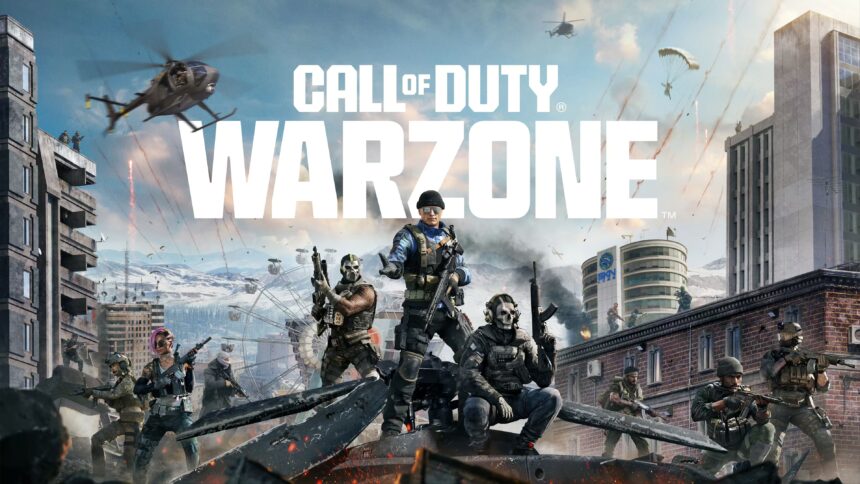
That figure, however, represents a combined total of player activity across Call of Duty: Black Ops 6, Call of Duty: Warzone, and the newly released Call of Duty: Black Ops 7. Because these games are grouped under a single platform hub, direct comparisons with standalone releases such as Battlefield 6 are inherently skewed.
Early sales data indicate that Black Ops 7 may not be performing as strongly as its predecessors. Launch figures from Europe show the game’s opening week sales were down by approximately 63 per cent compared to Battlefield 6, and more than 50 per cent lower than Black Ops 6.
These numbers suggest that while the Call of Duty brand remains powerful overall, individual releases may be losing some momentum—an effect largely hidden by the aggregated engagement model.
Circana Player Engagement Tracker – Top 15 Titles by Total Weekly Active Users (Not Concurrent) – W/E Dec 13, 2025
– Mortal Kombat 1 returns to XBX top 15 with Game Pass add.
– The Last of the Druids content and a free weekend promotion lifted Path of Exile 2 on Steam US/CAN.— Mat Piscatella (@matpiscatella.bsky.social) December 22, 2025 at 9:04 PM
In contrast, Battlefield 6 presents a clearer picture of its performance. The title combines its paid multiplayer experience with REDSEC, its free-to-play battle royale mode, yet still falls short of challenging Call of Duty HQ in overall playtime rankings.
Data from Circana for the week ending December 13, 2025, places Battlefield 6 at seventh place in the U.S., down slightly from sixth the previous week.
While a top-ten position reflects a healthy and active player base, the gradual decline highlights the difficulty of sustaining engagement in a crowded live-service market. Even with a major free-to-play component, Battlefield 6 appears to be struggling to maintain long-term traction against an entrenched competitor with multiple interconnected offerings.
The broader trend may point to shifting player preferences. As extraction shooters and hybrid multiplayer formats gain popularity, traditional battle royale modes are no longer guaranteed to drive sustained growth. In that context, Battlefield 6’s performance suggests that strong fundamentals alone may not be enough without a clearer point of differentiation.
While Call of Duty continues to dominate through scale and ecosystem reach, the softer performance of Black Ops 7 hints at changing dynamics beneath the surface—leaving room for competitors that can better align with evolving player expectations.