
Microsoft has confirmed that the newly released Windows 11 26H1 is not intended for existing computers, clarifying confusion among users who expected the update to appear through Windows Update.
The company described the release as a limited platform update designed specifically for new devices launching in 2026, rather than a feature upgrade for the broader Windows user base.
A hardware-focused release
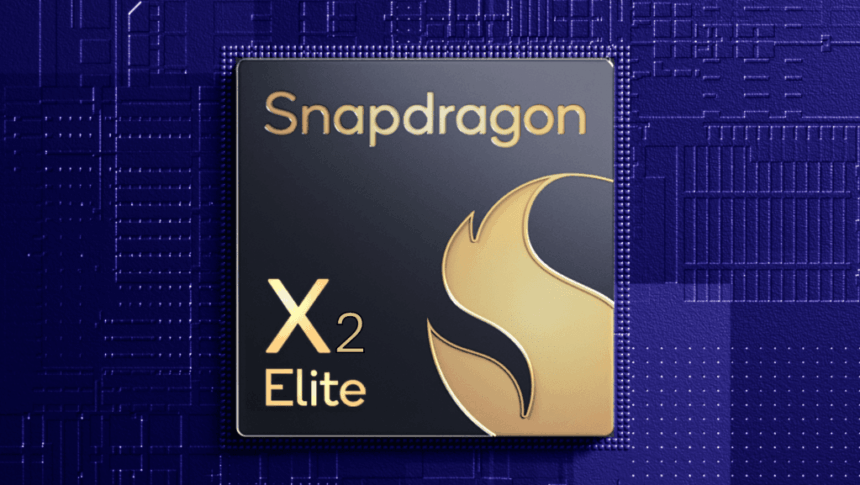
According to Microsoft, version 26H1 is a scoped release built to support new silicon platforms, beginning with systems powered by Qualcomm Snapdragon processors. The update includes low-level optimizations such as driver support, firmware integration and power-efficiency improvements.
Unlike traditional feature updates, 26H1 is not available as an in-place upgrade from current versions such as 24H2 or 25H2 and will only ship preinstalled on select new hardware.
The company emphasized that the release is intended to ensure compatibility and stability for upcoming devices rather than introduce user-facing features.
26H2 will be the public update
For existing PCs, Microsoft’s main update for 2026 will be Windows 11 26H2, expected to arrive later in the year, likely in the second half.
That release will follow the company’s current annual update cadence and is expected to deliver the feature improvements and changes typically associated with a major Windows update.
In effect, Microsoft is running two parallel tracks:
- 26H1: Platform support for new hardware (select new PCs only)
- 26H2: Feature update for the broader Windows 11 installed base
Why the split happened
The unusual version split reflects timing pressures tied to new processor launches. Upcoming systems based on next-generation chips-including new Snapdragon designs and potentially future graphics or AI-focused hardware-required updated platform support ahead of the standard annual Windows release cycle.
By creating a separate branch, Microsoft can ship new devices with optimized software immediately while continuing development of the broader feature update.
Potential for confusion
The naming approach has created uncertainty among users and IT administrators, many of whom expected 26H1 to follow the traditional update pattern. Microsoft has stressed that the special release does not change enterprise deployment plans and that the primary upgrade cycle remains annual.
For most users, the key takeaway is simple: if your current PC isn’t receiving 26H1, it’s working as intended. The update that matters for existing devices will arrive later as 26H2.
The move highlights a growing shift in Windows development toward tighter hardware integration-particularly as new chip architectures and AI-focused processors become central to the platform’s future.