
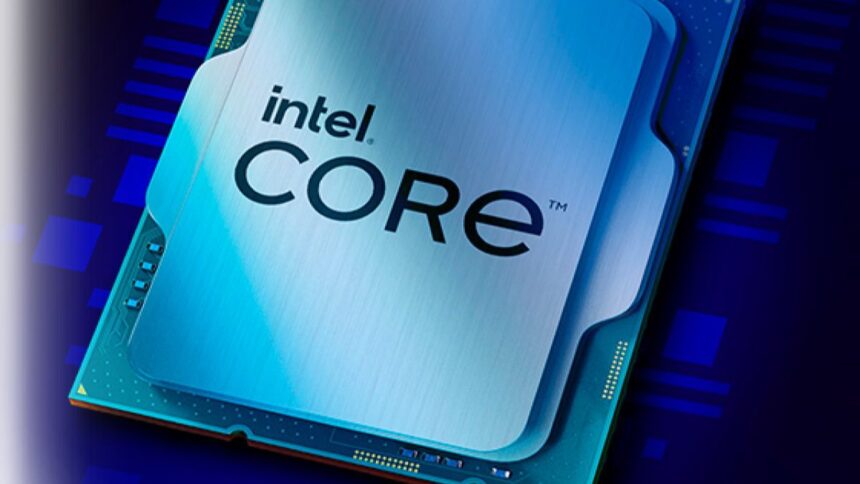
CES 2026 is shaping up to be one of the most important moments of the decade for Intel. After several turbulent years marked by strategic missteps, manufacturing delays, and even a leadership change, the company is preparing for what appears to be a full-scale comeback.
If both official announcements and industry leaks prove accurate, Intel is set to unveil major advances across desktop CPUs, mobile processors, and graphics-signalling a clear attempt to regain relevance and confidence.
Based on everything Intel showed throughout 2025-especially in the second half of the year-it’s now possible to outline what the company is likely to bring to the stage at CES 2026, and why this event could redefine its future.
Core Ultra 300 (Panther Lake): the real headline act
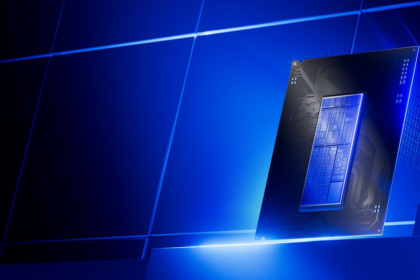
The star of Intel’s CES 2026 presentation is expected to be Panther Lake, officially launching as the Core Ultra 300 series. This is not just another CPU generation-it represents Intel’s first mass-produced consumer chips built on the long-awaited Intel 18A process.
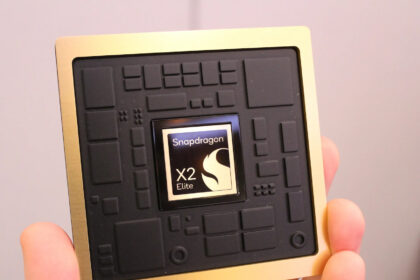
The 18A node introduces RibbonFET transistors and PowerVia backside power delivery technologies, which Intel hopes will finally close-or even reverse-the efficiency gap with ARM-based competitors, such as Qualcomm’s Snapdragon X platform, as well as foundry leader TSMC.
At CES, Intel is expected to fully detail the Panther Lake lineup for the first time, including:
- Complete SKU breakdowns
- Performance targets
- Power efficiency metrics
- Pricing and launch windows
Another major reveal tied to Panther Lake should be the debut of Xe3 (Celestial) graphics. This next-generation iGPU architecture promises a meaningful leap in both graphical performance and AI acceleration, enabling advanced workloads on laptops without relying on dedicated GPUs. Everyday tasks involving AI, content creation, and light gaming are expected to see a noticeable boost.
Following the direction set by Lunar Lake, Intel is also expected to double down on AI capabilities, unveiling NPUs with significantly higher TOPS (trillions of operations per second). This would reinforce Intel’s push toward running AI workloads locally, rather than relying on cloud processing.
Core Ultra 200 Plus: refinement over revolution
Desktop users shouldn’t expect a complete overhaul just yet. Instead, Intel is likely to announce the Arrow Lake Refresh, reportedly branded as Core Ultra 200 Plus.
Rather than focusing purely on higher clock speeds, the refresh is expected to introduce native support for CUDIMM (Clocked Unbuffered DIMM) memory. With CUDIMMs, memory kits running at speeds above 9,000 MHz could become common among enthusiasts-potentially addressing latency issues that limited gaming performance in the initial wave of Arrow Lake CPUs.
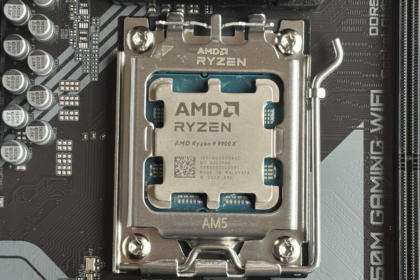
This move appears designed to slow AMD’s momentum, particularly in gaming, where Ryzen 9000X3D processors continue to dominate thanks to their large cache designs. Until Intel’s true next-generation desktop CPUs arrive, Arrow Lake Refresh may act as a strategic stopgap.
Bartlett Lake: extending the life of LGA-1700
For users still invested in the LGA-1700 socket, rumours point to the arrival of Bartlett Lake. This lineup is expected to focus on value and longevity, possibly offering CPU configurations built exclusively with P-Cores (performance cores).
Such a design would favor workloads that benefit from strong single-threaded and sustained performance, helping keep Alder Lake and Raptor Lake platforms relevant for longer-particularly in enterprise and cost-sensitive desktop environments.
Discrete Arc GPUs: Battlemage isn’t done yet
While Xe3 graphics will debut inside Panther Lake processors, Intel is also expected to expand its Arc GPU lineup. Strong indications suggest new Battlemage-based discrete graphics cards could be revealed for both high-performance desktops and laptops.
Although these GPUs may not yet challenge the absolute high end dominated by NVIDIA and AMD, Intel appears committed to strengthening its presence in the midrange and performance segments-where price-to-performance can matter most.
Nova Lake: a glimpse beyond 2026
Even though Nova Lake processors aren’t expected to launch until 2027, CES 2026 would be the perfect stage for Intel to offer a preview. CEO Lip-Bu Tan is widely expected to use the event to reassure partners and consumers by outlining Intel’s long-term roadmap.
Nova Lake is rumoured to represent Intel’s biggest architectural leap since the original Core series, with:
- Configurations exceeding 50 cores
- A radically new cache strategy
- A design aimed squarely at countering AMD’s strengths
Even a brief teaser would send a strong message that Intel’s reinvention is not just short-term damage control, but a long-term strategy.
Why CES 2026 matters for Intel
CES 2026 isn’t just another product showcase-it’s a make-or-break moment. Panther Lake and Intel 18A are central to restoring the company’s reputation in manufacturing leadership, while refreshed desktop CPUs, expanded Arc GPUs, and a glimpse of Nova Lake help reinforce confidence across all segments.
If Intel delivers on these promises, CES 2026 could mark the beginning of a genuine turnaround for one of the most influential companies in the tech industry.
- NVIDIA’s CES 2026 Keynote Expected to Center on AI, Mobility, and Blackwell Expansion
- AMD Expected to Double Down on CPU Leadership at CES 2026
- Intel Arc B770 GPU Surfaces in Code, Pointing to Imminent Battlemage Launch