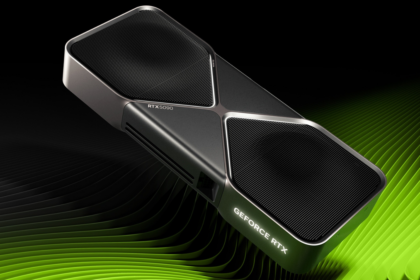

After years of tentative moves and strategic reversals, Intel is preparing a renewed and more deliberate push into the graphics processing unit market. This time, the company says it intends to build GPUs at scale, signalling an effort to compete seriously in a field long dominated by Nvidia and AMD.
Intel CEO Lip-Bu Tan confirmed the shift in direction, revealing that the company has hired a new chief GPU architect to lead the effort. Speaking in remarks reported by Reuters, Tan described the hire as a key step in rebuilding Intel’s graphics ambitions, noting that the architect brings deep expertise to the role.
The move reflects a broader reality across the technology industry: GPUs are no longer a niche component reserved for gamers or creative professionals. They have become foundational to modern computing, powering everything from video rendering and advanced gaming to large-scale artificial intelligence training and data center workloads.
In an AI-driven market, even the largest CPU manufacturers can no longer afford to treat graphics as a secondary concern.
Intel’s renewed focus follows several challenging years. The company has grappled with manufacturing setbacks, ceded CPU market share to AMD, and arrived late to critical inflection points in the AI boom. As demand for accelerated computing surged, Nvidia emerged as the clear winner in enterprise and data center GPUs, leaving Intel largely on the sidelines.
By committing to a serious GPU roadmap, Intel appears intent on restoring relevance beyond its traditional CPU stronghold. Company signals suggest the initial emphasis will be on enterprise and data center products, where margins are higher and demand is closely tied to AI infrastructure spending.
That market, however, is one where Nvidia currently enjoys overwhelming dominance, backed by mature hardware, software ecosystems, and long-standing customer relationships.
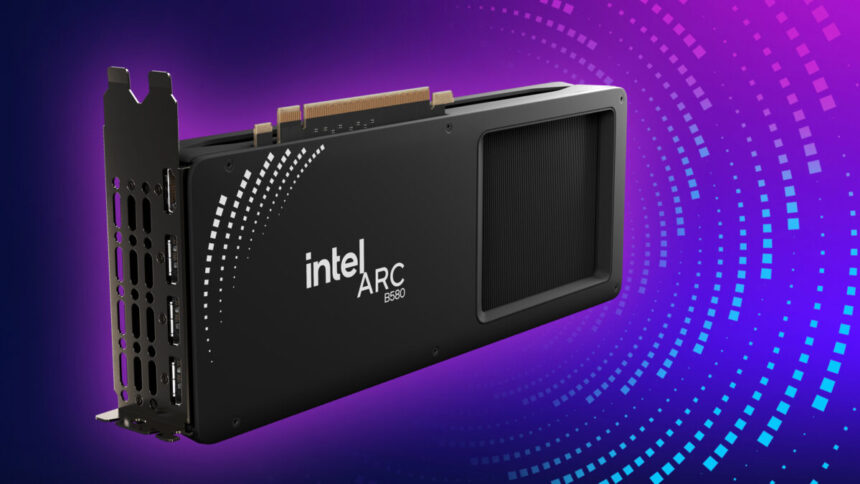
Consumer graphics cards are still expected to exist under Intel’s Arc branding, but they are unlikely to be the centerpiece of this strategy unless the company significantly overhauls the lineup. For now, the priority appears to be building credibility with enterprise customers rather than chasing volume in the crowded consumer GPU space.
Despite the renewed commitment, Intel faces a timing challenge. Rivals continue to iterate rapidly, releasing new architectures and expanding their AI-focused offerings. Even with development underway, it may take years before Intel can deliver competitive platforms at scale.
Still, the shift marks a notable change in posture. Rather than testing the waters, Intel is signaling a long-term commitment to becoming a full-stack silicon provider once again. Whether it can translate that ambition into market impact remains uncertain, but the company has made clear that it no longer views GPUs as optional to its future.