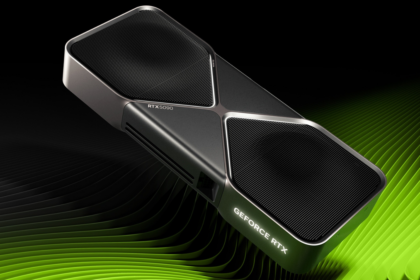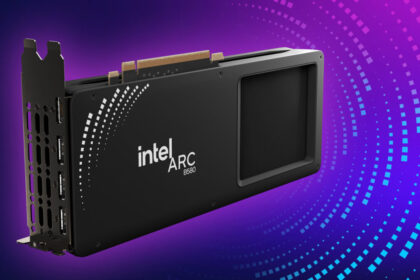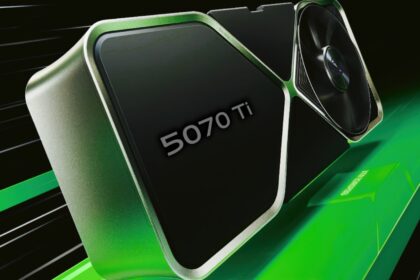

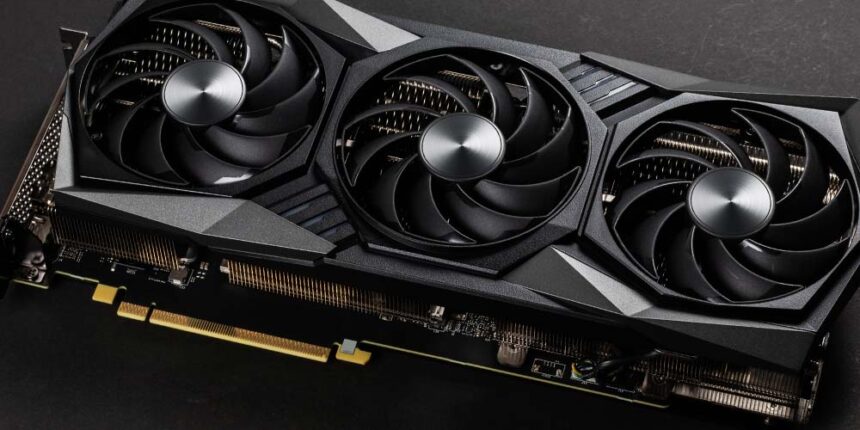
The global memory shortage is now spilling over into the graphics card market, triggering supply constraints and early signs of price pressure across the GPU segment. Retailers in Japan are among the first to react, with at least one major domestic seller reportedly restricting GPU purchases in an effort to manage dwindling inventory and ensure fair distribution.
According to a report from Japanese outlet ITMedia, a local PC retailer confirmed that sharply rising memory prices have made it increasingly difficult to secure graphics cards, particularly higher-capacity models. As a result, the retailer has introduced limits on GPU purchases to avoid situations where customers are unable to complete full PC builds due to missing components.
The retailer noted that while some inventory has been secured for now, restocking timelines remain uncertain. Graphics cards with larger amounts of VRAM, such as 16GB models, are becoming increasingly difficult to procure, as they rely heavily on DRAM supply lines that are currently under severe strain.
Industry sources suggest the situation is unlikely to improve in the near term. GPU manufacturers, including NVIDIA and AMD, are reportedly responding to memory shortages by reducing retail supply and preparing price increases to offset higher component costs.
While existing inventory has helped stabilise prices over recent quarters, retailers warn that once current stock is depleted, newly sourced GPUs will likely arrive with higher price tags.
The shortage is not limited to consumer graphics cards. General-purpose DRAM is being increasingly diverted toward data centres and AI infrastructure, leaving fewer resources available for gaming GPUs and other consumer hardware. This imbalance is expected to disproportionately affect higher-spec products, further tightening availability at the premium end of the market.
The knock-on effects are expected to ripple across the broader PC industry. With memory and GPU costs rising, manufacturers such as Lenovo and other system builders are likely to raise prices on prebuilt systems in early 2026. For consumers, particularly gamers, the outlook suggests reduced choice and higher costs as the industry transitions into a more constrained supply environment.
As the AI-driven demand surge continues to reshape the semiconductor market, retailers and manufacturers alike are bracing for a difficult first quarter of 2026, with no immediate relief in sight for GPU availability or pricing.