
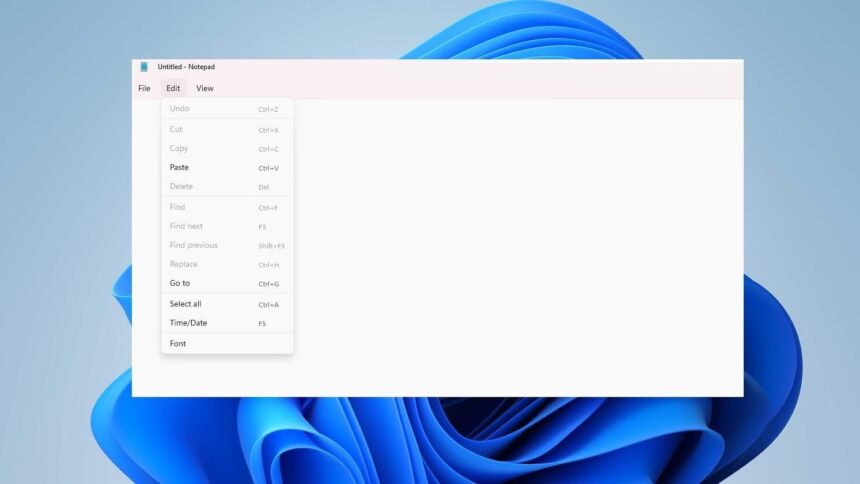
Microsoft has patched a serious security flaw in Notepad that could allow attackers to execute malicious code through specially crafted Markdown files, highlighting the growing security risks as traditionally simple tools gain advanced features.
The vulnerability, tracked as CVE-2026-2081, was resolved as part of the February 2026 security updates for Windows 11. The company has urged users to install the latest updates to ensure their systems are protected.
Markdown feature created new attack path
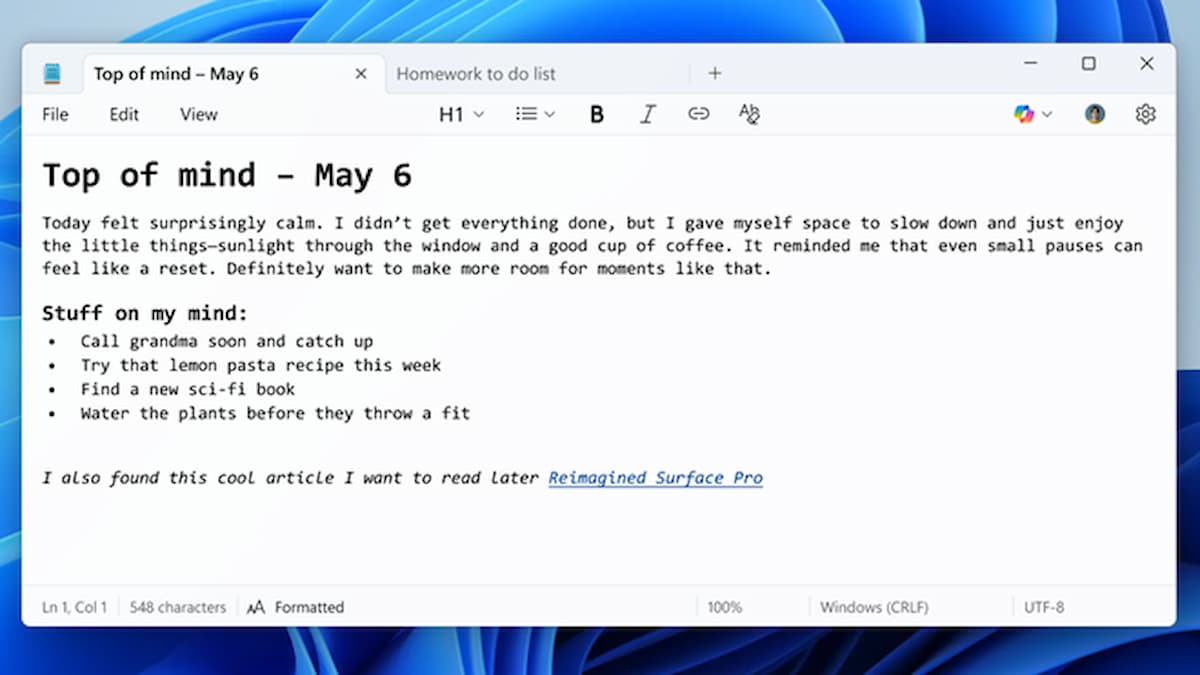
Microsoft added Markdown support to Notepad in May 2025, allowing users to format text with headings, links and previews-features popular with developers and content creators.
However, the new functionality introduced a weakness in how the application handled certain links embedded in Markdown files. Researchers found that a malicious .md file could act as a delivery mechanism for remote code execution.
The risk stemmed from Notepad’s handling of special protocols. When a user clicked a crafted link, the application could launch external processes without sufficient verification, potentially allowing attackers to download and install malware.
From simple editor to connected tool
Security experts say the flaw reflects a broader shift in risk. Notepad was historically a lightweight, offline utility with minimal attack surface. New capabilities-including richer formatting and integration with online services such as Microsoft Copilot-have increased its exposure to external threats.
The issue illustrates how even basic applications can become entry points for attacks once they interact with external resources or network services.
No active exploitation reported
Microsoft classified the vulnerability as serious but said there is currently no evidence that it has been exploited in real-world attacks.
The fix is included in the February Patch Tuesday release and is delivered automatically through Windows Update.
Broader warning for users and organizations
The incident underscores a wider trend in cybersecurity: tools once considered low-risk are becoming more attractive targets as they gain advanced functionality.
Similar concerns have recently emerged around other editors, including Notepad++, where security issues and supply-chain risks have also been reported.
Security professionals advise users to treat even simple file types with caution and keep systems fully updated, as modern attack techniques increasingly rely on everyday applications to gain initial access.
The Notepad flaw serves as a reminder that as software evolves to offer more features, maintaining security requires continuous updates and vigilance-even for the most familiar tools.