
Microsoft’s long-term vision for Windows 11 appears increasingly centered on web-based technologies, extending beyond artificial intelligence features into the core of the operating system’s interface.
New findings suggest that the company plans to deepen its reliance on WebView2, a framework that enables web content to run within native Windows apps, while addressing long-standing performance concerns associated with this approach.
Microsoft aims to improve and optimise the speed of WebView2 applications
According to reports highlighted by Windows Latest, Microsoft is continuing to integrate WebView2-powered interfaces throughout Windows 11. At the same time, the company is working to improve the performance of advanced web applications, signalling that web-based experiences will play an even larger role in future Windows updates.
WebView2 has already been adopted across several Microsoft services, including Outlook, and is also used by third-party applications such as WhatsApp. While this shift allows developers to deliver cross-platform experiences more easily, it has drawn criticism from users who report slower load times, delayed interactions, and reduced responsiveness compared to traditional native apps.
At the core of the issue is how web apps communicate internally. Many WebView2 applications rely on the JavaScript function “postMessage()” to exchange data between contexts, such as windows and iframes.
This process can introduce delays that are reflected in performance measurements, resulting in sluggish behaviour in everyday use. Microsoft has acknowledged these limitations and confirmed it is actively working on solutions.
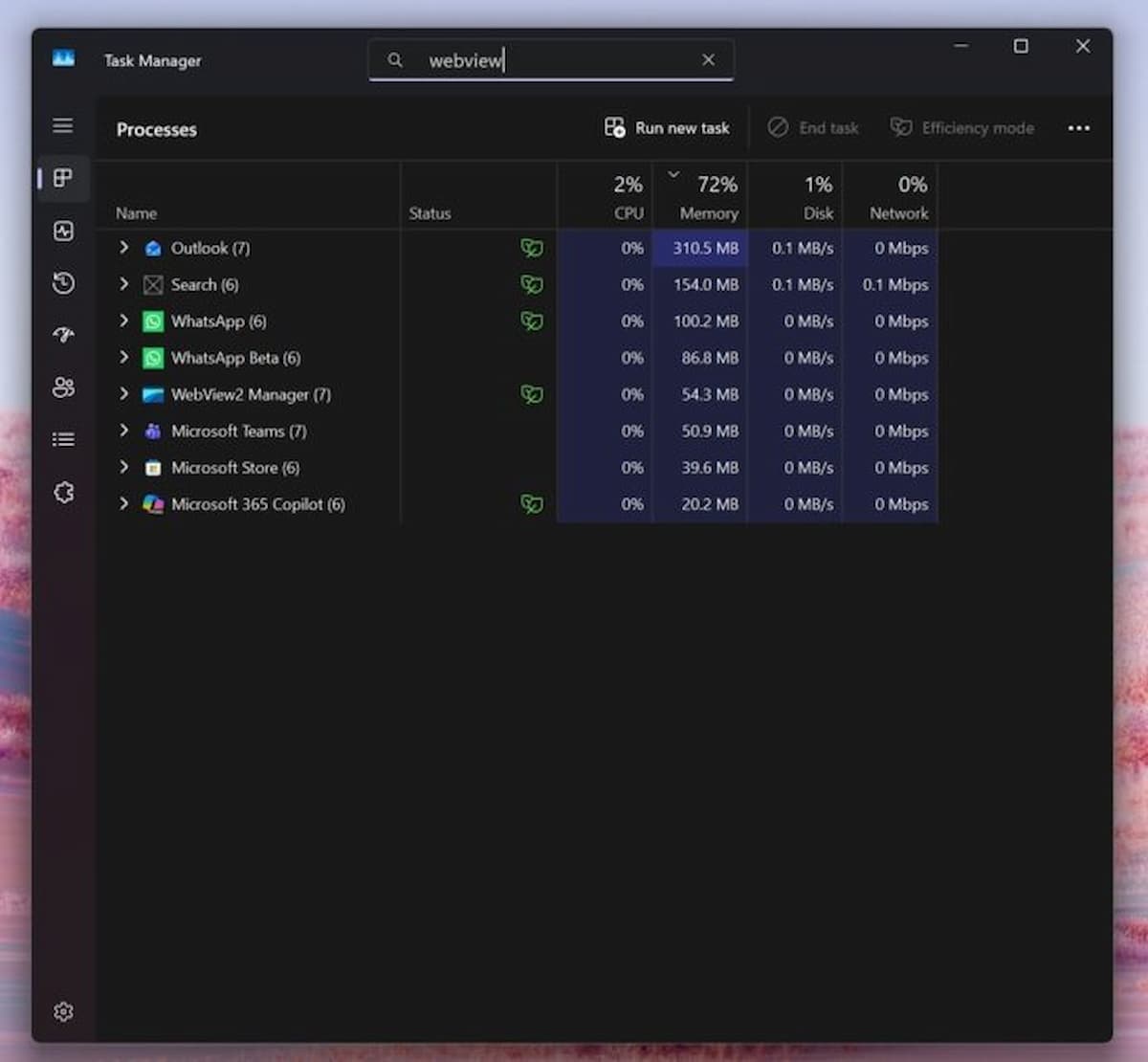
Rather than abandoning WebView2, Microsoft is developing a new diagnostic API known as “Delayed Message Timing.” The tool is designed to help developers better understand when and where delays occur during message passing in web-based applications. While the API itself will not directly speed up apps, it is intended to provide clearer insights that can guide optimisation and performance improvements.
Microsoft maintains that WebView2 remains central to its application strategy on Windows 11, despite mixed reactions from users. Critics argue that web-based apps often feel less polished and less efficient than fully native alternatives, particularly in tools such as Outlook, where slow inbox loading and inconsistent responsiveness have been widely reported.
Even so, the company appears committed to refining the model rather than reversing course. By focusing on performance diagnostics and optimisation, Microsoft aims to address user concerns while continuing its push toward a more web-integrated Windows experience.
Whether these efforts will be enough to shift public perception remains to be seen, but the direction of Windows 11 suggests that WebView2 and web apps are here to stay.
- Microsoft Expands Windows 11 on Arm App Compatibility With Major Prism Emulator Update
- Microsoft Starts Quietly Dialing Back AI Clutter in Windows 11’s Right-Click Menus
- Install Windows 11 Without a Microsoft Account