
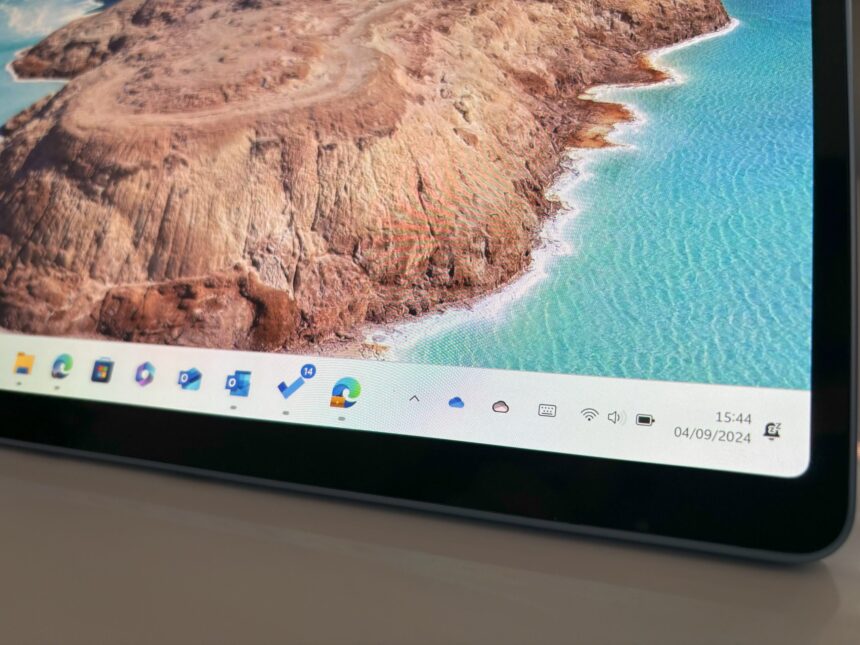
Microsoft is reportedly working to restore one of the most requested customization features in Windows 11-the ability to move and resize the taskbar-marking a potential reversal of a design decision that has drawn criticism since the system’s launch.
According to a report from Windows Central, development is underway to allow users to reposition the taskbar to different edges of the screen, with a possible preview expected later in 2026.
A feature removed in the redesign
When Windows 11 was released in 2021, Microsoft rebuilt the taskbar architecture from scratch, removing several legacy customization options. One of the most noticeable changes was locking the taskbar to the bottom of the screen.
Earlier versions of Windows allowed users to place the taskbar at the top, left or right-an option widely used by professionals working with multiple monitors, ultrawide displays or space-constrained laptops.
What may be changing
If the plans move forward, users would be able to:
- Move the taskbar to the top, left or right edges of the display
- Keep the traditional bottom position if preferred
- Adjust the size or height of the taskbar to control how much screen space it occupies
Microsoft is also said to be ensuring that system elements-such as menus, notifications and quick settings-adapt properly to the new layouts.
The resizing option could be handy for smaller screens, devices with 3:2 aspect ratios or touch-focused systems where vertical space is limited.
Possible timeline
The feature is still in development and has not been officially confirmed by Microsoft. However, sources cited in the report suggest it could be demonstrated as early as the summer of 2026.
The move would align with Microsoft’s broader effort this year to refine Windows 11 based on user feedback, including improvements to multi-monitor behavior and advanced taskbar functionality.
Small change, significant impact
While the return of a movable taskbar may appear minor compared to larger additions such as AI features, it addresses a long-standing usability concern among power users.
If implemented, the change would represent one of the most significant reversals of the original Windows 11 design philosophy-signaling a shift toward restoring flexibility and customization alongside newer platform innovations.
- Windows 11 Taskbar Now Lets You Resume Android Activities on Your PC
- Hide the Taskbar in Windows 11
- Change Taskbar Position in Windows 10