
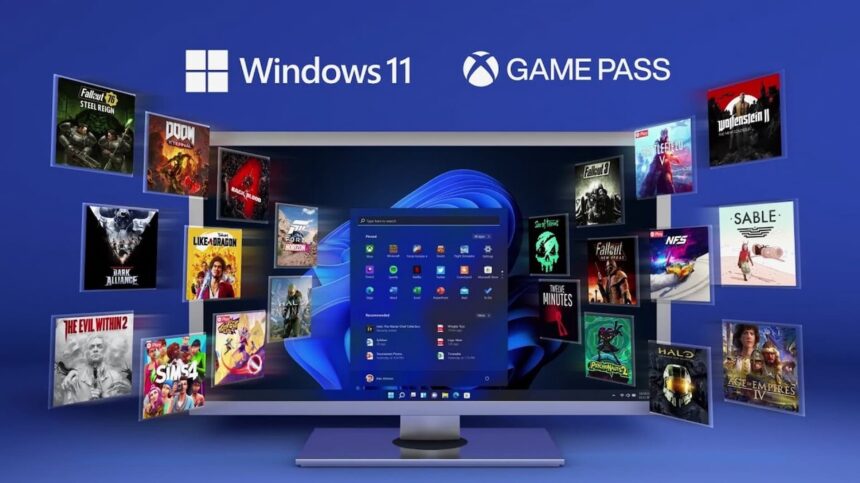
Microsoft is preparing a significant change to the gaming experience on Windows 11, introducing a dedicated gaming mode designed to make PCs easier to use with controllers. The feature, expected to launch in April 2026, aims to transform how the operating system behaves when used for gaming, particularly on handheld PCs and living-room setups.
The initiative reflects Microsoft’s effort to narrow the gap between traditional consoles and gaming computers by delivering a more streamlined interface optimized for controller navigation.
Xbox-Inspired Interface for Gaming
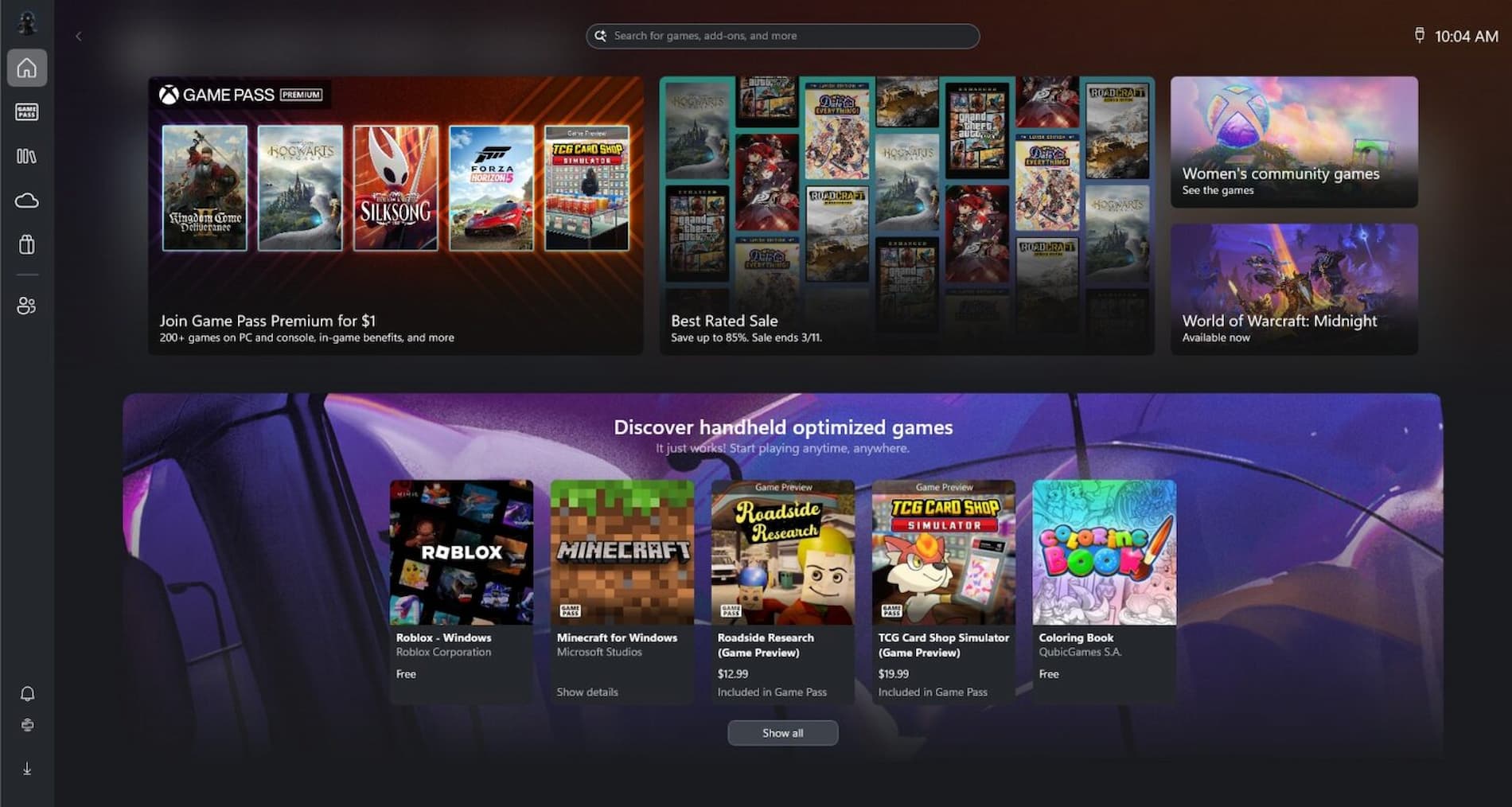
Early testing suggests that activating the new Xbox Mode replaces the traditional Windows desktop with a full-screen interface similar to an Xbox console dashboard.
According to reports from Windows Latest, the interface uses large tiles and horizontal navigation that can be controlled entirely with a gamepad. This layout allows players to browse game libraries, access the store, and launch applications without relying on a mouse or keyboard.
The redesign targets devices such as the Lenovo Legion Go and ASUS ROG Ally, where navigating standard Windows menus with thumbsticks can be difficult.
System Optimisation for Gaming Performance
Beyond visual changes, the new mode introduces performance optimizations. When Xbox Mode is enabled, Windows can temporarily disable certain desktop processes running in the background.
Initial tests indicate that the system may free between 1 GB and 2 GB of RAM, allowing more memory to be dedicated to the active game. This adjustment is intended to improve stability and reduce resource competition during gameplay.
Addressing Long-Standing PC Gaming Issues
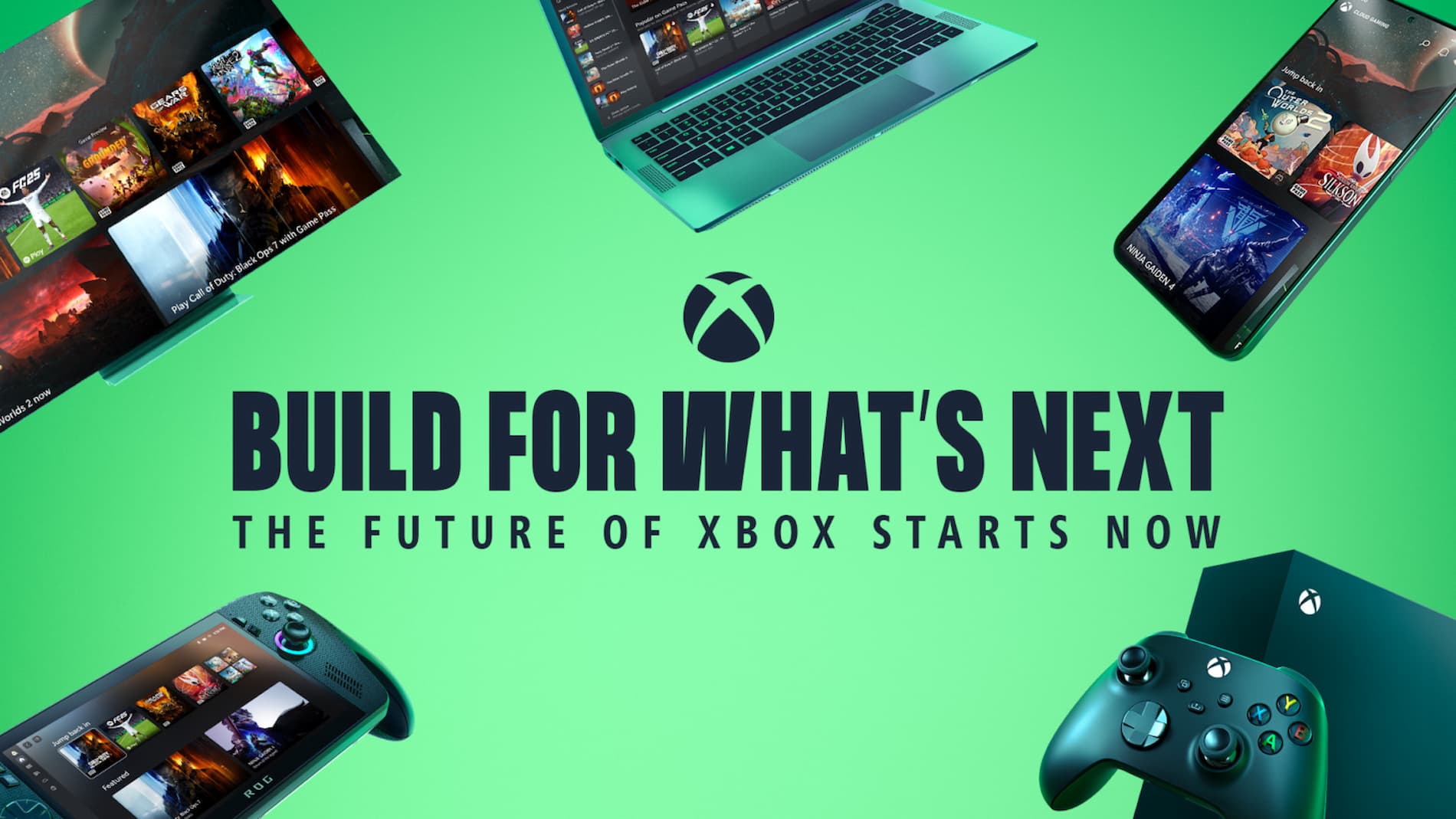
Microsoft also showcased several related technologies during the Game Developers Conference 2026, aimed at improving how games perform on Windows systems.
One of the most notable additions is Advanced Shader Delivery (ASD). This system allows developers to package compiled shader data directly with their games.
By distributing shaders in advance, ASD prevents the CPU from compiling them during gameplay, which can otherwise lead to stuttering or frame drops when entering new areas or loading complex visual effects.
Faster Storage Through DirectStorage Improvements
Another key enhancement involves improvements to DirectStorage, Microsoft’s technology that accelerates game loading from modern SSDs.
The updated version introduces Zstandard compression, enabling faster decompression of game assets stored on NVMe solid-state drives. This allows the GPU to access graphical data more quickly, reducing load times and enabling smoother transitions in large open-world environments.
DirectX Updates for AI-Driven Graphics
Microsoft is also preparing updates to DirectX that will make it easier for developers to integrate artificial intelligence into rendering pipelines.
New support for linear algebra operations directly within shaders will allow neural models to assist with rendering tasks. The company says this could lead to more detailed graphics and improved visual realism without placing excessive demands on frame rates.
Collaboration Across the Hardware Industry
The broader gaming initiative has been developed with input from several major hardware manufacturers, including:
- NVIDIA
- AMD
- Intel
- Qualcomm
These partnerships aim to ensure Windows remains optimized across a wide range of gaming devices, from high-end desktops to portable consoles.
Developer Tools and Testing Plans
Alongside the user-facing features, Microsoft is introducing new debugging and diagnostic tools that allow developers to monitor GPU behavior with greater precision.
These tools provide improved performance analysis and error tracking, helping studios identify graphical issues earlier in development.
Testing of these developer-focused capabilities is expected to begin in May 2026.