
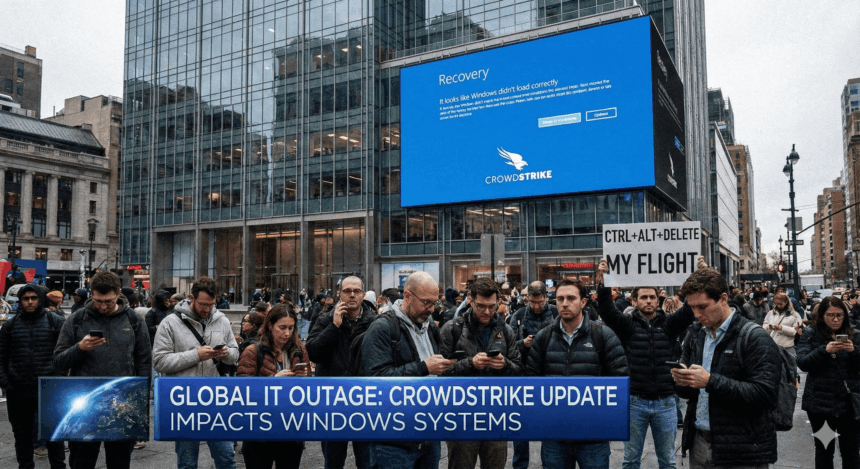
The technology industry is still reeling from one of the most disruptive software incidents in recent memory. In July 2024, a faulty update to CrowdStrike Falcon triggered widespread system failures across millions of Windows PCs, causing machines to enter endless reboot loops and display the infamous Blue Screen of Death.
The outage brought airports, banks, hospitals, corporations, and government institutions to a halt, exposing a critical weakness in how Windows handles third-party security software.
Now, nearly a year later, Microsoft is taking decisive steps to ensure such an event does not happen again. The company has confirmed it is developing an entirely new Windows security platform designed to remove antivirus and endpoint detection tools from the Windows kernel, fundamentally changing how security software interacts with the operating system.
Why the CrowdStrike Incident Changed Everything
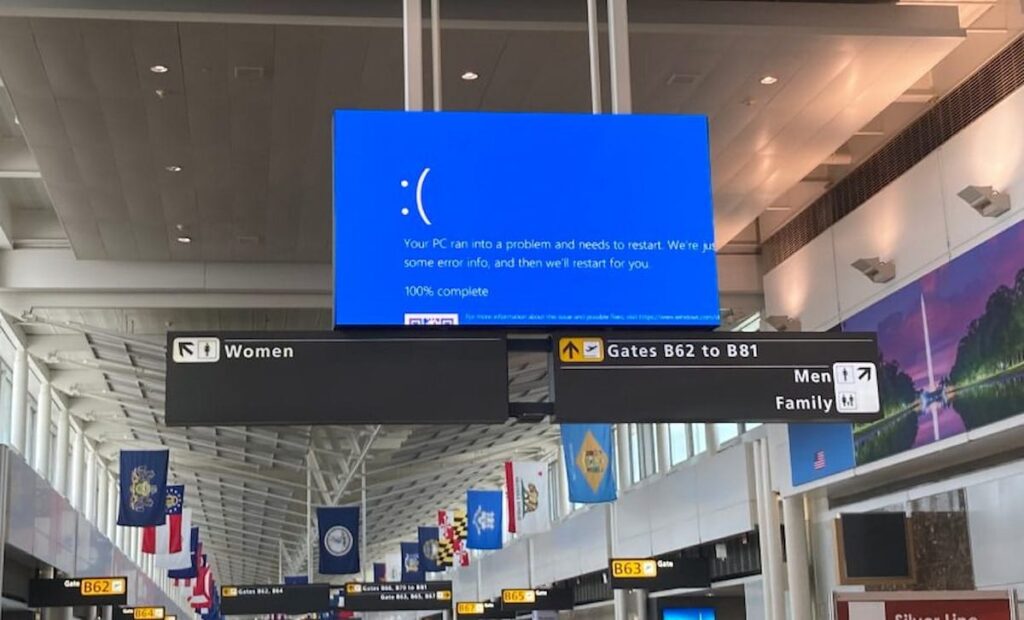
For decades, Microsoft allowed security vendors deep access to the Windows kernel. This design choice enabled antivirus and endpoint protection tools to monitor system behavior at the lowest level, providing powerful threat detection. However, the CrowdStrike incident revealed the downside of this model: a single defective kernel-level update was enough to cripple vast portions of the global digital infrastructure.
Because the Falcon driver operated inside the kernel, systems failed before Windows could even load properly—making recovery extremely difficult. In many cases, administrators were forced to physically access machines to repair them, costing organizations billions in lost productivity and recovery expenses.
Microsoft has since acknowledged that kernel-level dependency represents a systemic risk, particularly at today’s scale.
A Collaborative Approach With Security Vendors
Rather than imposing unilateral changes, Microsoft is taking a collaborative route. The company is working closely with leading cybersecurity vendors, including:
- CrowdStrike
- Bitdefender
- Trend Micro
- ESET
- and numerous other endpoint security providers
In an interview with The Verge, David Weston, Vice President of Enterprise and OS Security at Microsoft, shared new insight into the effort. According to Weston, partners have actively contributed architectural proposals, technical documentation, and design recommendations that reflect how they believe a modern security platform should function.
Despite intense competition within the cybersecurity industry, Weston said vendors have been willing to cooperate for the collective benefit of the Windows ecosystem.
Importantly, Microsoft emphasized that it is not dictating rigid rules, but instead building a shared framework shaped by industry consensus.
What the New Windows Security Platform Aims to Do

The central goal of the new platform is to move antivirus and endpoint detection operations out of the kernel and into safer, isolated environments. While Microsoft has not finalized the architecture publicly, the objectives are clear:
- Prevent a single third-party driver from crashing the entire OS
- Limit privileged access that can cause catastrophic failures
- Preserve strong security monitoring without kernel-level risk
- Improve system resilience and recovery
Microsoft has already started with antivirus and endpoint response solutions, identifying how their functions can be replicated without direct kernel execution. This is not a short-term effort—kernel drivers will still exist during the transition—but the long-term plan is to significantly reduce or eliminate them.
Once early versions of the platform are available, Microsoft will allow vendors to test, critique, and propose further improvements before wider deployment.
Implications for Gaming and Anti-Cheat Software
The changes could extend beyond traditional cybersecurity tools. Many anti-piracy and anti-cheat systems used in video games also rely on kernel-level drivers, which have long been controversial.
While these systems help combat cheating, they often:
- reduce game performance
- introduce security risks
- raise privacy concerns
Microsoft has confirmed it is in discussions with game developers about reducing kernel-level anti-cheat usage. However, the challenge is complex. Many studios argue that without deep system access, cheating becomes significantly harder to control.
Microsoft is attempting to strike a balance—protecting system stability while finding alternative methods to prevent abuse without kernel dependency. Progress in this area is expected to be gradual.
Building Better Recovery Tools as a Failsafe
In parallel with this architectural overhaul, Microsoft is also developing new recovery mechanisms that make it easier to restore Windows systems that fail to boot due to critical errors.
The company wants to ensure that even if something goes wrong, organizations won’t face the same large-scale paralysis experienced during the CrowdStrike outage. Faster recovery, fewer manual interventions, and improved diagnostics are all part of this initiative.
A Long-Term Fix, Not an Overnight Change
Microsoft has been clear that these changes won’t appear overnight. Reworking decades of system design requires time, testing, and industry coordination. Still, the company believes this effort will lead to a more resilient Windows platform, better equipped to handle the growing complexity of modern security software.
The CrowdStrike incident served as a harsh but necessary wake-up call. With this new approach, Microsoft aims to prevent one faulty update from ever being capable of bringing the digital world to a standstill again.