
Microsoft is preparing what could be its most ambitious Xbox transformation yet-a next-generation platform designed to function like a traditional console on the surface while running a Windows-based PC environment underneath.
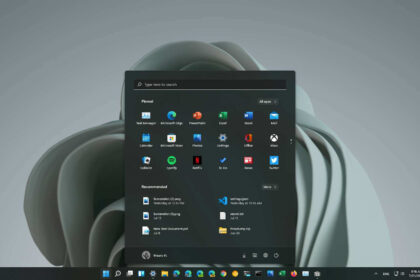
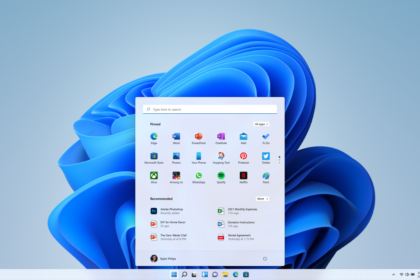
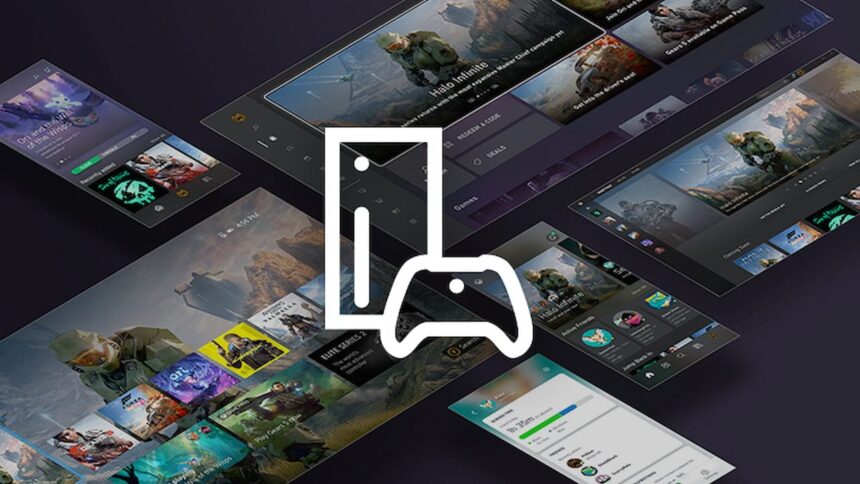
According to a report from Windows Central, the so-called Gen-10 Xbox will operate on a customized version of Windows 11, featuring a TV-focused interface that boots directly into a console-style experience but allows users to access the whole desktop environment when needed.
Console experience with PC flexibility
The reported design would enable the device to run existing Xbox titles across generations while also supporting PC game storefronts such as Steam and other Windows platforms. The goal is to combine backward compatibility with the broader flexibility of PC gaming, effectively turning the system into a living-room gaming computer without sacrificing the simplicity expected from a console.
Users would interact with a streamlined Xbox interface by default but could switch to the standard Windows environment to run additional software, peripherals or services.
2027 launch window under consideration
The timeline for the new hardware drew attention after Lisa Su, head of Advanced Micro Devices, told investors that development of a semi-custom chip for Microsoft’s next Xbox is progressing toward a potential 2027 launch.
Industry sources describe the date as a best-case scenario rather than a firm target, noting that the release will depend heavily on how well Windows can be optimised to deliver a seamless, console-like experience.
Multiple devices instead of a single console
The report also suggests a shift away from the traditional single-console model. Microsoft is said to be working with hardware partners such as ASUS to create a range of Xbox-branded devices at different price points and form factors, similar to existing Xbox Ally handheld concepts.
Alongside partner hardware, a first-party portable Xbox device is reportedly still planned for the future, though it may not arrive immediately with the main console launch.
At the centre of the hardware strategy is a custom AMD processor internally codenamed Magnus, designed to support both console performance and PC-level compatibility.
High ambition, significant challenges
The broader strategy reflects Microsoft’s long-term vision of turning Xbox into a platform rather than a single device. By combining the Xbox game library with the openness of Windows, the company aims to create a unified ecosystem that supports multiple storefronts, accessories and hardware configurations.
However, the approach carries technical risks. Unlike traditional consoles, Windows must deliver a frictionless experience-without driver conflicts, unexpected prompts or performance inconsistencies-to meet player expectations for instant, reliable gameplay.
For that reason, development timelines remain flexible as Microsoft’s Windows and Xbox teams work to refine the operating system for a living-room environment.
If successful, the next-generation Xbox would represent a fundamental shift in the console market-transforming the device from a fixed hardware platform into a flexible gateway between console and PC gaming.
- Xbox Cloud Gaming New Web UI: How to Get Access and Try It
- Microsoft Brings the Xbox PC App to All Windows 11 ARM Devices
- How to Open Xbox Game Bar in Windows 11
- PS6 and Next Xbox Rumoured to Match High-End PC GPUs