
The ongoing memory crisis, driven largely by shortages of DRAM, has already sent shockwaves through the global hardware market, pushing up prices for RAM, solid-state drives, and even graphics cards. Now, a new cost pressure is emerging from a different direction: the raw materials used to manufacture essential components for PCs.
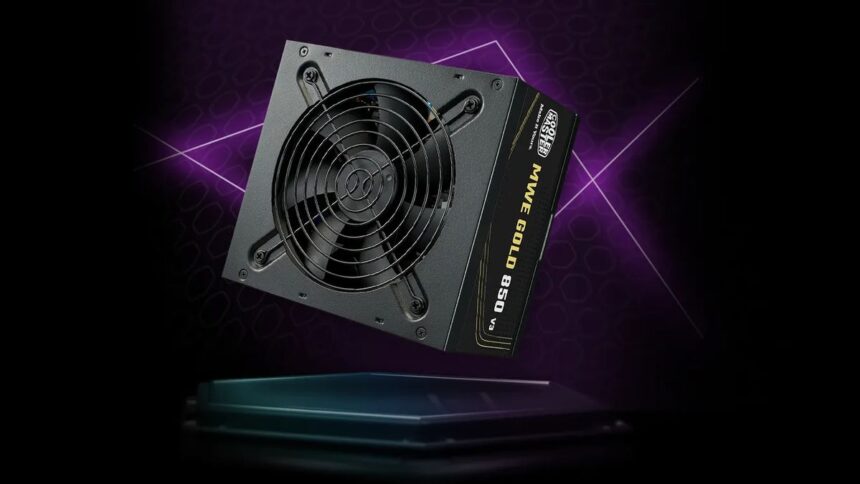
According to a notice sent to partners by Guangzhou Xinhongzheng Electronic, prices for power supplies and cooling solutions are set to increase in the coming months due to rising costs of key materials. The company cited higher prices for copper, silver, and tin—metals critical to the production of power delivery and thermal management hardware.
In its communication, the manufacturer stated that contracts based on previous pricing structures are no longer accepted, effective January 6. Under the new terms, power supply units are expected to see price increases ranging between 6 and 10 per cent, while coolers could become up to 8 per cent more expensive.
Price hikes expected from February
Guangzhou Xinhongzheng Electronic also warned that from February 1, all ongoing promotional negotiations will be closed. Once standard pricing resumes, more than 90 per cent of products in the power supply and cooling segments are expected to reflect the higher costs. As a result, distributors and system builders looking to secure inventory at current prices would need to do so within January.
Unlike the highly visible DRAM shortage, the rise in prices for copper, silver, and tin has not yet reached crisis levels across the wider industry. However, analysts note that demand from large-scale data centers—already a major driver of increased consumption of electronic components—may be contributing to the pressure on these materials.
Potential ripple effects across the PC market
For now, the reported increase appears to be localised to China, one of the world’s largest hubs for electronics manufacturing. The full scope of the impact remains unclear, particularly since the identities of Guangzhou Xinhongzheng Electronic’s major customers have not been disclosed. Still, the development suggests that additional cost increases could spread through the supply chain.
Coolers, whether designed for processors or graphics cards, rely heavily on copper as a primary heat conductor. Copper bases and heat pipes transfer heat from CPUs and GPUs to aluminium heatsinks, which are then cooled by fans.
Power supplies also depend on copper and other metals for internal wiring and components. As these material costs rise, manufacturers may pass the increases on to partners and, ultimately, consumers.
With memory, storage, and now cooling and power components all facing upward price pressure, the PC hardware market could see further increases in overall system costs in the months ahead—adding yet another challenge for buyers already navigating an expensive upgrade cycle.