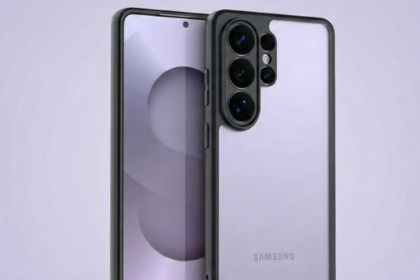

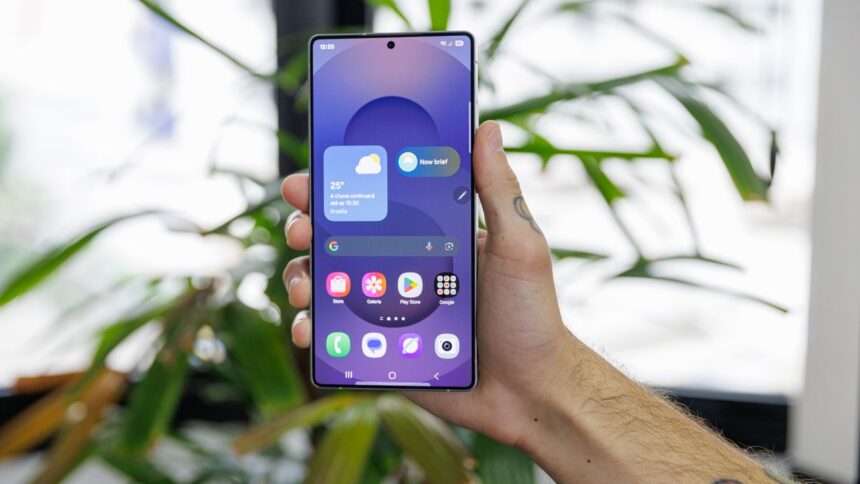
Samsung is expected to end software support for several smartphones in 2026, meaning those devices will no longer receive security patches or system updates. Among the affected models are members of the Galaxy S21 lineup (with one notable exception) and some popular mid-range phones.
These devices were released between 2021 and 2022 and are now approaching the end of the update timelines defined by Samsung’s policies at the time of their launch.
Below is a detailed breakdown of which Samsung phones are likely to lose update support in 2026, along with the reasons why.
Samsung phones expected to stop receiving updates in 2026
Galaxy S21, S21+, and S21 Ultra
The Galaxy S21 family represented Samsung’s flagship lineup in 2021. These models launched with Android 11 and received their final major operating system update, One UI 7, based on Android 15, which was rolled out in 2024.
Since then, the Galaxy S21, S21+, and S21 Ultra have been limited to quarterly security updates only. Under Samsung’s policy at the time-three Android version upgrades and four years of security patches-support for these devices is expected to officially end in early 2026.
Important exception:
The Galaxy S21 FE is not included in this cutoff. Released later in 2022, it follows a newer update schedule and is expected to continue receiving updates until 2027. It currently runs One UI 8, which is its final Android version.
Galaxy Z Fold 3 and Galaxy Z Flip 3
Samsung’s third-generation foldables were also introduced in 2021 and follow a similar update policy to the Galaxy S21 series. Both devices shipped with Android 11 and were upgraded to Android 15 with One UI 7 in 2025.
Currently, the Galaxy Z Fold 3 and Z Flip 3 receive quarterly security updates. Based on their release date and Samsung’s five-year security update commitment for foldables of that era, support is expected to end in the second half of 2026.
Galaxy A23 and Galaxy A13 (including 5G variants)
The Galaxy A23 and Galaxy A13 were launched together in March 2022 as affordable mid-range and entry-level options. Both models received One UI 6 as their final major system update and were excluded from the One UI 8 rollout in mid-2025.
Currently, these phones still receive quarterly security updates, including their 5G variants. However, based on Samsung’s update cadence for budget and mid-range devices from that period, security support is expected to end entirely in 2026.
Galaxy M13
The Galaxy M13, revealed in July 2022, is another mid-range device approaching the end of its lifecycle. It launched with Android 12 and was later updated to Android 14 with One UI 6, which is expected to be its final major system version.
For now, Samsung continues to provide quarterly security patches for the Galaxy M13. Before support ends in 2026, the update frequency is likely to drop to semiannual security updates, a common step Samsung takes before fully discontinuing support.
How Samsung’s update policy works
Samsung updates its smartphones in two main ways: major system upgrades and security patches.
Major Android and One UI updates
Each new Android version is delivered alongside a new One UI release. For example:
- Android 15 launched with One UI 7
- Android 16 arrived with One UI 8
These updates are typically released once per year, although 2025 was an exception due to changes in Google’s Android release schedule, resulting in two One UI versions in a single year.
Security updates
Security patches are released more frequently and follow a gradual schedule:
- Monthly updates during the first years after launch
- Quarterly updates as the device ages
- Semiannual updates near the end of support
Once a device reaches the end of its support window, updates stop entirely. This is what happened to models like the Galaxy Note 20, which lost update support in 2025.
How many software updates does Samsung offer for its phones?
The number of updates depends heavily on when the phone was released and its category.
- Recent flagship models (starting with the Galaxy S24 series) now receive seven years of Android and security updates
- Newer mid-range phones generally receive six years of updates
- Older flagships like the Galaxy S22 and S23 get four Android upgrades and five years of security patches
- Galaxy S21 series follows an even older policy with three Android upgrades and four years of security updates
It’s also important to note that the update period begins from the device’s launch date, not from the date you purchased it. For example, a phone released in February 2025 with seven years of support would stop receiving updates in February 2032, even if it is purchased later.
If you own one of the Samsung phones listed above, 2026 will likely be the final year of official software support. While the devices will continue to work, they will no longer receive security fixes, which can increase risks over time.
For users who prioritise long-term updates and security, upgrading to a newer Samsung model with extended support may be worth considering before that cutoff arrives.
- Samsung Launches Wider One UI 8.5 Beta Program
- Samsung One UI 8.5: Eligible Devices List
- Samsung May Revive Fully Custom Chip Design With Future Exynos Processor