
Microsoft’s recent struggles have fueled growing speculation about the future of Windows, and a newly surfaced Google project is adding pressure at an already delicate moment. Aluminum OS, an unreleased operating system described by insiders as “Android for PCs,” is shaping up as a potential challenger to Windows-particularly as dissatisfaction with Windows 11 continues to spread among users.
While Google already competes with Windows through ChromeOS, Aluminum OS represents a fundamentally different approach, one that could carry broader implications for the PC ecosystem.
How Aluminum OS Differs From ChromeOS
The distinction between Aluminum OS and ChromeOS lies in their foundations. ChromeOS is essentially a Linux-based system built around the Chrome browser, with Android and Linux app compatibility layered on over time. The browser-centric design has defined the platform’s strengths and limitations, particularly in education and lightweight computing.
Aluminum OS takes the opposite route. It is reportedly built directly on Android 16, positioning Android itself as the core desktop operating system. Google is said to be developing a full desktop environment on top of Android’s new desktop mode, drawing inspiration from Samsung DeX to improve multitasking, window management, and productivity on larger screens.
In short, rather than adapting Android to ChromeOS, Aluminum OS aims to turn Android into a native PC platform.
Early Interface Leaks Raise Expectations

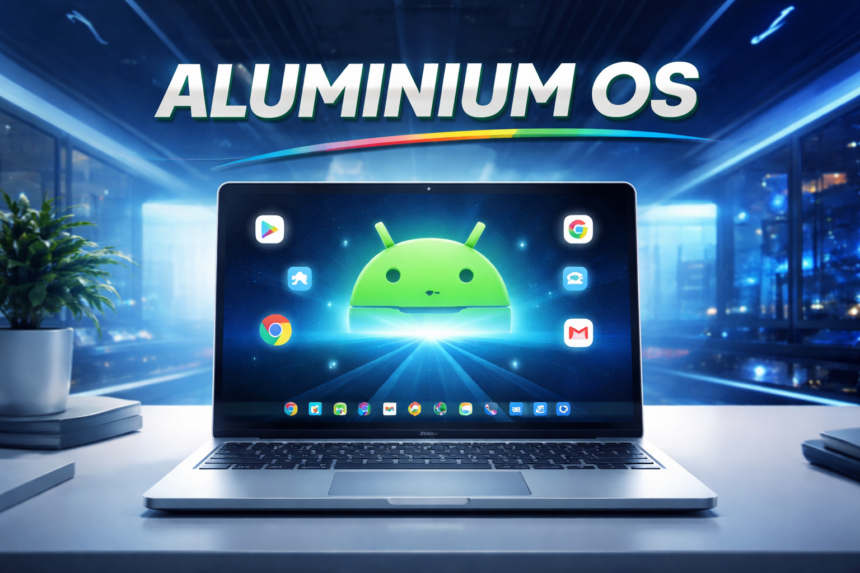
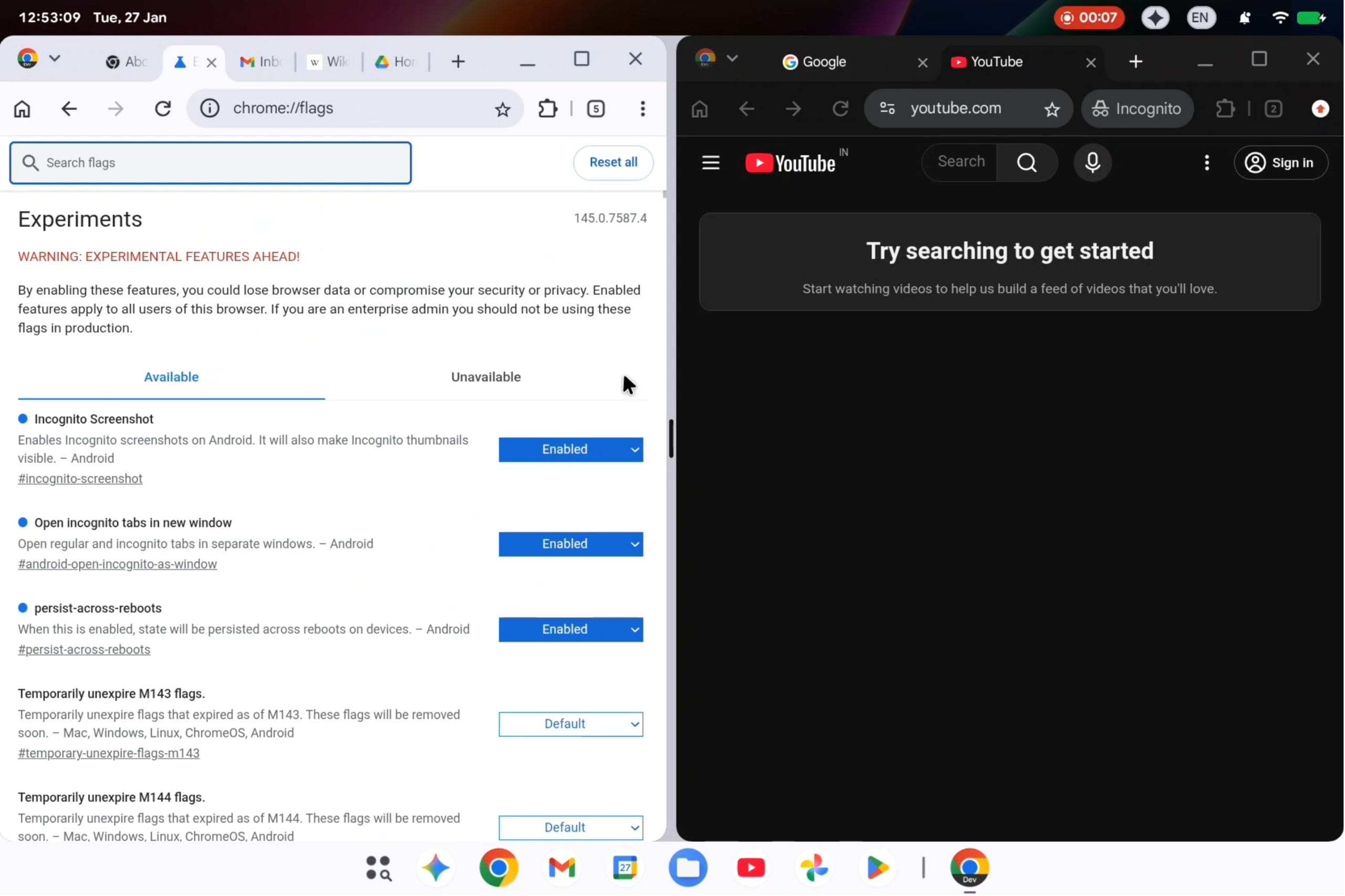
Although Google has not officially announced Aluminum OS, recently leaked interface images suggest development is further along than previously assumed. The visuals, reportedly discovered through a Chromium bug tracker entry and highlighted by industry observers, show a familiar desktop layout: a top status bar, a bottom application dock, and resizable windows with minimise, maximise, and close controls.
The design closely resembles traditional desktop operating systems and even echoes concepts previously rumoured for a cancelled future version of Windows. This has intensified speculation that Aluminum OS could be positioned as a direct alternative to Windows rather than a niche product.
Why Microsoft Has Reason for Concern
The timing is particularly sensitive for Microsoft. Windows 11 has faced sustained criticism over performance issues, inconsistent updates, and an aggressive push toward artificial intelligence features that many users did not ask for. Meanwhile, Microsoft has failed to deliver a lightweight or modernized Windows variant despite multiple internal efforts over the past decade.
Projects such as Windows 10X and later CorePC were intended to counter ChromeOS and other lightweight systems, especially in education. Both initiatives were ultimately shelved. As of 2026, Microsoft has no clear alternative offering, leaving Windows 11 as its only mainstream desktop platform.
If Aluminum OS delivers on its promise-offering a fast, stable, and secure desktop experience with the simplicity of Android-it could appeal strongly to schools, entry-level consumers, and users frustrated with Windows’ complexity.
A Changing Competitive Landscape
Aluminum OS is not the only challenge Microsoft faces. Apple is reportedly preparing a lower-cost MacBook to expand its reach, while SteamOS continues to gain traction beyond handheld gaming devices. For years, Windows benefited from a lack of serious competition on the desktop. That era may be ending.
The emergence of multiple viable alternatives highlights a broader shift in the industry. As rivals move quickly and experiment with new form factors and operating systems, Microsoft risks being seen as reactive rather than innovative.
Uncertain Future, Growing Pressure
There is still no confirmed release date for Aluminum OS, and its final form remains unknown. However, even in its unfinished state, it underscores a growing reality: Microsoft can no longer rely on inertia to protect Windows’ position.
What was once a market with little resistance is becoming increasingly contested. For Microsoft, the question is no longer whether competition is coming-but whether it can respond in time with a clear vision for the future of Windows.