
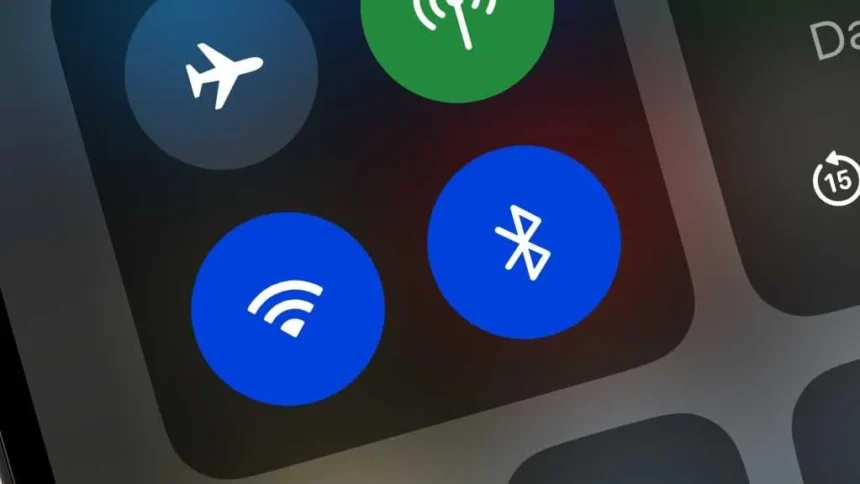
Bluetooth is so deeply embedded in modern technology that most users rarely think about it-until something goes wrong. Yet behind the scenes, the standard continues to evolve, and its latest iteration could significantly change how wireless devices interact.
Although Bluetooth 6.0 was officially announced by the Bluetooth Special Interest Group (SIG) in September 2024, adoption has remained limited throughout 2025. That is expected to change as more devices begin supporting the standard in 2026.
Bluetooth 6.0 builds on the foundation laid by Bluetooth 5.0 and its subsequent updates, introducing several new capabilities aimed at improving positioning accuracy, connection efficiency, reliability, and audio quality.
More Precise Device Tracking With Channel Sounding
One of the most notable additions in Bluetooth 6.0 is Bluetooth Channel Sounding, a feature designed to dramatically improve distance measurement between devices. While earlier versions of Bluetooth could estimate distance with accuracy measured in tens of centimetres, the new standard enables centimetre-level precision between Bluetooth Low Energy (LE) devices.
This improvement is made possible through a combination of Phase-Based Ranging and Round-Trip Timing techniques, which allow devices to calculate distance more accurately across both short and long ranges.
According to the Bluetooth SIG, this technology is particularly well-suited for “Find My” use cases, digital car keys, asset tracking, and precise positioning of peripherals. The added accuracy also helps reduce the risk of certain security threats, such as man-in-the-middle attacks.
In everyday use, Channel Sounding could enable location-based automation-for example, triggering actions when a user moves within or outside a defined range of a device.
Faster, More Efficient Scanning and Switching
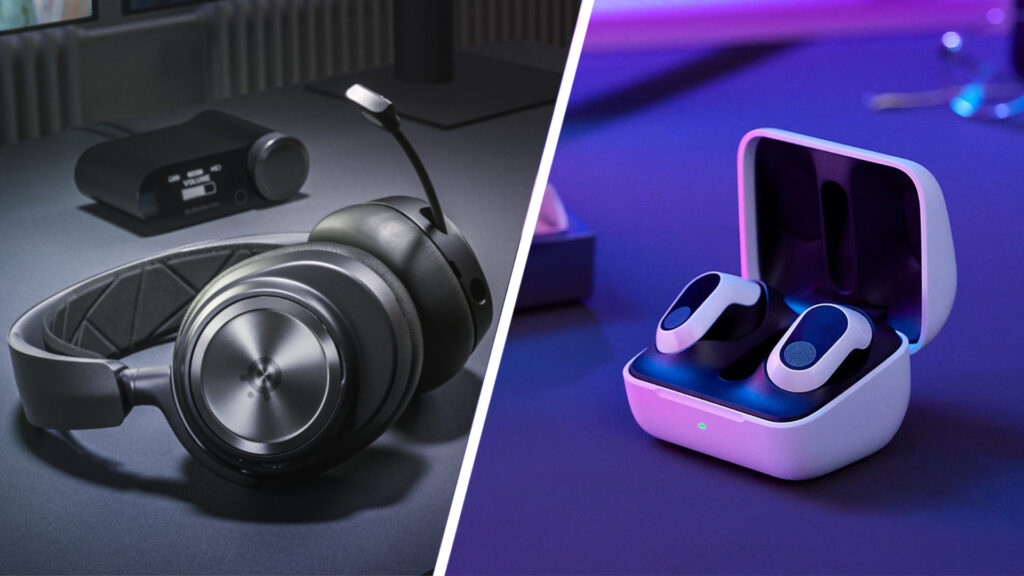
Bluetooth 6.0 also introduces improvements to how devices discover and connect with one another. Two new mechanisms-Monitoring Advertisers and Decision-Based Advertising Filtering-work together to make scanning, pairing, and device switching faster and more energy efficient.
Monitoring Advertisers enhances Bluetooth LE discovery by allowing the system to track whether a device remains within range without repeatedly scanning at high power levels. This reduces battery drain and makes transitions between devices smoother.
Decision-Based Advertising Filtering, meanwhile, enables devices to determine more quickly whether a connection attempt is worthwhile, thereby speeding up pairing and reducing unnecessary processing.
Lower Latency Without Sacrificing Performance
Another technical upgrade comes to Bluetooth’s Isochronous Adaptation Layer (ISOAL), which governs how data packets are transmitted. While previous enhancements increased throughput, they sometimes introduced noticeable latency-an issue particularly visible during video playback or gaming.
Bluetooth 6.0 refines ISOAL behaviour to reduce latency without cutting data rates. This should lead to better audio-video synchronisation, improved responsiveness for peripherals, and more reliable firmware updates for wireless devices, especially smaller accessories.
Improved Audio With LC3plus
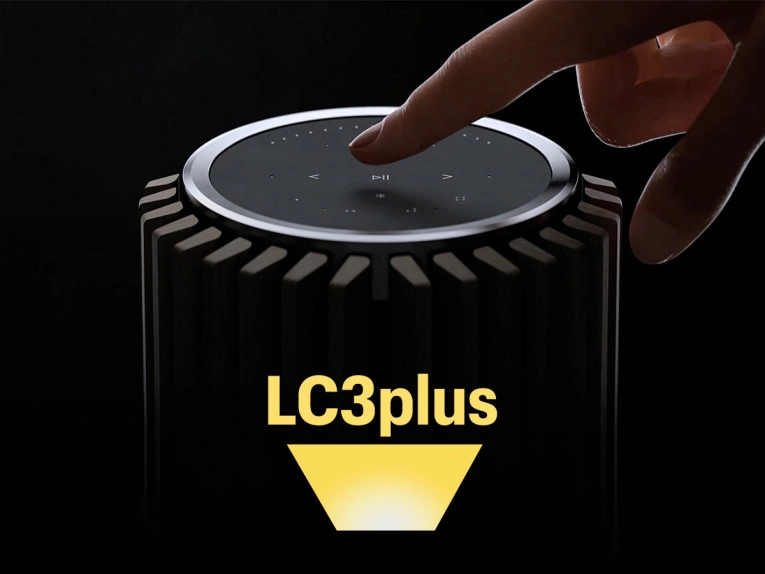
Bluetooth 6.0 also debuts LC3plus, a new audio codec that expands on the LC3 codec introduced with Bluetooth LE in 2020. LC3plus supports high-resolution 32-bit audio at up to 96kHz, with latency as low as 7 milliseconds. The codec has received Hi-Res certification from the Japan Audio Society and is positioned as a strong option for high-quality, low-latency wireless audio.
However, unlike LC3, LC3plus requires licensing, which may limit its widespread adoption in consumer headphones and earbuds.
What to Expect Next
Bluetooth 6.0 is still early in its rollout. In 2025, support is largely confined to a small number of flagship smartphones, while most laptops and accessories continue to rely on Bluetooth 5.0 or later. For most users, Bluetooth 5.4 remains more than adequate.
That said, broader adoption is expected as hardware manufacturers prepare their 2026 product lines. Industry watchers anticipate a wave of Bluetooth 6.0–enabled laptops, peripherals, and accessories to be announced at major events such as CES 2026.
As support expands, Bluetooth 6.0’s combination of precise positioning, smarter connections, and improved audio could make it one of the most meaningful upgrades to the wireless standard in years-even if users never notice it working in the background.
When does Bluetooth 6.0 launch?
Bluetooth 6.0 has already been officially released and is beginning to appear in a small number of wireless devices, including smartphones, earbuds, and headphones. While adoption is still limited for now, wider support is expected to ramp up throughout 2026, as manufacturers start integrating the new standard into more consumer electronics.
As with previous Bluetooth generations, it takes time for a new version to become mainstream, since device makers need to update hardware designs, firmware, and certifications before rolling it out at scale.
Can older devices use Bluetooth 6.0?
Bluetooth maintains backward compatibility, which means devices running newer Bluetooth versions can still connect to older ones. However, there’s an important limitation: only features supported by both devices will be available.
For example, if you pair a Bluetooth 6.0 phone with Bluetooth 5.0 headphones, the connection will fall back to Bluetooth 5.0 capabilities. You won’t get the newer features introduced in Bluetooth 6.0 unless both devices support them.
What is Bluetooth LE?
Bluetooth Low Energy (BLE) was introduced with Bluetooth 4.0 as a more energy-efficient alternative to classic Bluetooth. It’s designed specifically for devices that rely on small batteries, such as wearables, fitness trackers, smart sensors, and IoT devices.
BLE and classic Bluetooth can coexist within the same device, allowing manufacturers to select the most suitable connection type for each task. This flexibility is why Bluetooth remains so widely used across different categories of hardware.
When was Bluetooth 5.0 released?
The Bluetooth 5.0 specification was officially launched in June 2016 and went on to become the dominant standard for many years. It introduced major improvements, including better range, higher data speeds, and more reliable connections compared to earlier versions.
The most recent update in the Bluetooth 5 series arrived in 2023 with Bluetooth 5.4, extending the lifespan of the 5.x standard until Bluetooth 6.0 began rolling out.
How long will Bluetooth 6.0 remain the latest standard?
Given how slowly new Bluetooth versions are adopted across the industry-and how long Bluetooth 5.0 remained relevant-it’s likely that Bluetooth 6.0 will remain the primary standard for several years.
Although Bluetooth 6.0 is still in its early stages of adoption, the Bluetooth SIG has already announced Bluetooth 6.2, which debuted in November 2025 as the second update to the core 6.0 specification. These incremental updates refine and expand the standard without replacing it entirely.
In short, Bluetooth 5.0 is still in its early stages, and it’s expected to shape wireless connectivity well into the future as more devices begin to support it.
- Bluetooth Audio Sharing Arrives on Windows 11
- What is AMD Smart Access Memory
- What is DirectStorage
- What are NVIDIA’s Tensor Cores