
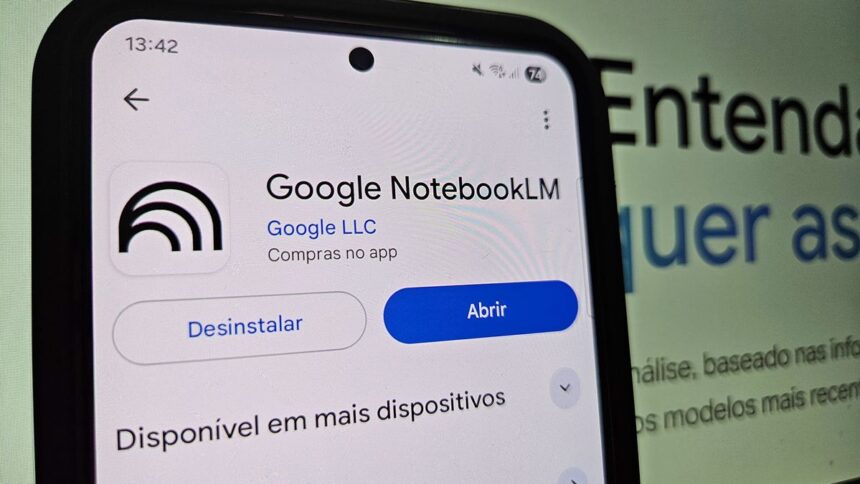
Google has introduced a new feature for NotebookLM that transforms AI-generated summaries into visually enhanced videos. The update, called Cinematic Video Overviews, aims to produce more engaging presentations by combining animation, images, and transitions into a cohesive narrative.
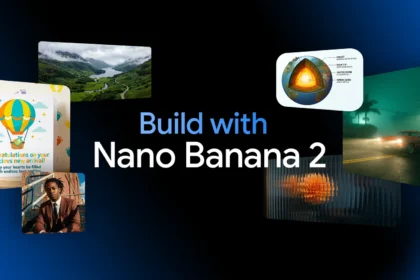
The feature relies on several of Google’s artificial intelligence technologies working together, including Gemini, Nano Banana, and Veo.
AI Models Work Together to Build Video Narratives
In the new system, Gemini acts as a creative coordinator. The model determines the structure, visual style, and pacing of the video to ensure that each segment follows a consistent storytelling format.
The final output combines narrated audio summaries with dynamic visuals rather than static slides. Animations, transitions, and AI-generated imagery are used to create videos that look like professionally edited content.
Earlier versions of NotebookLM’s video summaries primarily displayed slides accompanied by an AI voice. While narration remains part of the experience, the new cinematic mode adds visual elements designed to make the information easier to follow and more visually appealing.
Limited Access at Launch
For now, Cinematic Video Overviews are available only to subscribers of Google AI Ultra, the company’s highest-tier artificial intelligence plan, and only within the United States.
Users in other regions can still access the platform’s traditional video summary feature, which relies on simpler slide-based presentations.
A Different Approach to AI Research Tools
NotebookLM differs from many AI chatbots by focusing on user-provided sources rather than drawing responses from a broad internet dataset. Instead of searching the web, the platform analyzes documents, links, and images uploaded by the user to generate answers and summaries.
The tool can also produce mind maps, audio briefings similar to podcasts, and other forms of AI-assisted content.
Available through both a web interface and mobile applications, NotebookLM is designed as a personal research assistant that organizes and interprets information based on the material provided by the user.