
Microsoft could be exploring a more affordable Surface laptop as competition in the entry-level computer market intensifies. Supply chain reports suggest the company is reviewing the design and component costs of a future 12-inch Surface device, with AMD’s rumoured Sound Wave processor emerging as a possible option.
The report, first published by Taiwanese outlet DigiTimes and subsequently covered by Wccftech, points to a potential change in Microsoft’s hardware strategy. However, neither Microsoft nor AMD has confirmed plans to bring the processor to the Surface lineup.
AMD Sound Wave Could Mark a New Chapter for Surface Devices
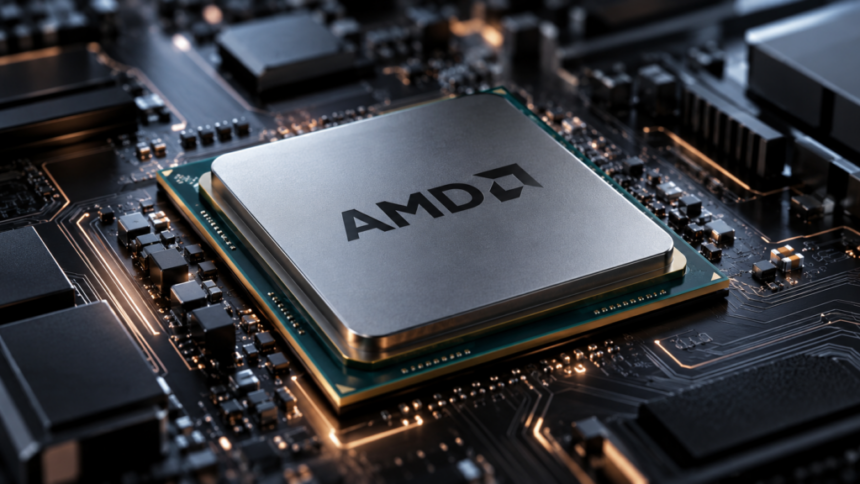
AMD’s Sound Wave processor has appeared in leaks since 2024. Early reports linked the chip to a 3-nanometre manufacturing process, but subsequent information suggested that it could use ARM architecture rather than the x86 design found in AMD’s Ryzen processors.
According to leaked specifications, Sound Wave could feature a six-core CPU with two performance cores and four efficiency cores. The processor is also expected to include integrated RDNA 3.5 graphics with four compute units, 16MB of cache and dedicated hardware for artificial intelligence workloads.
The chip is reportedly being designed using a 3nm process, potentially supplied by TSMC, with power consumption estimated at between 5W and 10W. If these details prove accurate, Sound Wave could suit thin and lightweight laptops designed to balance everyday performance with battery efficiency.
AMD has not verified these specifications, and the processor’s final configuration remains unknown. Earlier reports had linked Sound Wave to Surface hardware expected in 2026, but Microsoft’s latest device updates instead relied on Qualcomm processors.
MacBook Neo Puts Pressure on Microsoft’s Pricing Strategy
The reported interest in a lower-cost Surface comes as Apple targets buyers looking for a more affordable laptop. DigiTimes suggests Microsoft is reconsidering the construction and component selection of a potential 12-inch model to reduce manufacturing expenses.
Apple’s MacBook Neo, introduced in March 2026, is positioned as an entry-level Mac for students and everyday users. In Spain, its reported starting price is €699. The laptop features a 13-inch display, an A18 Pro chip and advertised video playback of up to 16 hours.
Microsoft’s current Surface offerings occupy a considerably higher price bracket. The second-generation 13-inch Surface Laptop, equipped with Qualcomm’s Snapdragon X2 Plus processor, starts at €1,319 in Spain.
The gap between the two products highlights a challenge for Microsoft. While the company continues to serve customers seeking premium Windows laptops, a more accessible device could help it reach students, families and buyers who do not require high-end computing power.
An energy-efficient ARM processor from AMD could support that objective by helping Microsoft manage power consumption and hardware costs. However, the final retail price would also depend on other components, manufacturing expenses and Microsoft’s product positioning.
Suggestions that the proposed Surface could cost less than $999, or potentially approach $599, have not been substantiated by an official announcement.
AMD Could Give Microsoft Another ARM Processor Option
Qualcomm currently plays a central role in Microsoft’s Windows-on-ARM strategy through its Snapdragon X series. NVIDIA has also been developing processors for the Windows PC market, increasing competition in a segment that has traditionally relied heavily on x86 chips from Intel and AMD.
If Sound Wave reaches commercial devices, AMD could offer Microsoft another option for ARM-based laptops. The company’s experience with Radeon graphics may also help it develop integrated graphics solutions suited to compact computers.
Still, the specifications currently attributed to Sound Wave suggest a chip aimed primarily at everyday computing rather than demanding gaming. Its reported four graphics compute units would not necessarily make it suitable for users seeking high-performance gaming or intensive graphics workloads.
Software compatibility is another consideration. Windows 11 on ARM has improved its support for native applications and programs designed for x86 processors through emulation. Nevertheless, some games, hardware drivers and specialised software may still encounter compatibility issues.
An AMD-designed ARM processor would not automatically eliminate those limitations. Its success would depend partly on software support, driver availability and the performance of applications users rely on.
Microsoft and AMD Have Worked Together Before
A potential return to Surface would build on an existing relationship between the two companies. Microsoft previously offered AMD Ryzen configurations of the Surface Laptop 3 and Surface Laptop 4, although later generations shifted away from that arrangement.
In comments to Windows Central last September, Surface corporate vice president Brett Ostrum discussed AMD’s absence from newer Surface products, pointing to Microsoft’s relatively limited product range and the need to be selective about its hardware partnerships.
Microsoft and AMD also maintain a close working relationship in the Xbox business, providing an established foundation for future collaboration if the companies decide to pursue it.
Even so, previous partnerships do not confirm that AMD will supply processors for an upcoming Surface laptop. The Sound Wave project itself has yet to receive an official announcement, and its availability, specifications and commercial prospects remain uncertain.
A Budget Surface Laptop Could Arrive in 2027
Wccftech has suggested that 2027 could be a possible timeframe for a Surface device using AMD’s Sound Wave processor. That date remains speculative, with no confirmed launch schedule from either company.
The broader development is worth watching because it points to a possible change in Microsoft’s approach to Surface hardware. The brand has traditionally focused on premium devices, but competition in the lower-priced laptop market is becoming increasingly important.
A well-designed Surface laptop priced below €800 could appeal to customers who want a portable Windows computer with dependable battery life without paying flagship prices. Achieving that balance would require Microsoft to control costs while maintaining acceptable performance, build quality and software support.
For now, the reported plans should be treated as early supply chain speculation rather than a confirmed product announcement. Buyers considering a new laptop should base their decisions on currently available devices rather than wait for a Surface model whose launch date, processor and price have yet to be established.