

Microsoft’s gaming business ended fiscal year 2025 under pressure, with new financial results revealing a continued slowdown in the Xbox division. In its fourth-quarter earnings report released on Wednesday (28), the company confirmed a year-over-year decline across multiple gaming segments, highlighting ongoing challenges tied to hardware sales, shifting strategy, and uneven software performance.
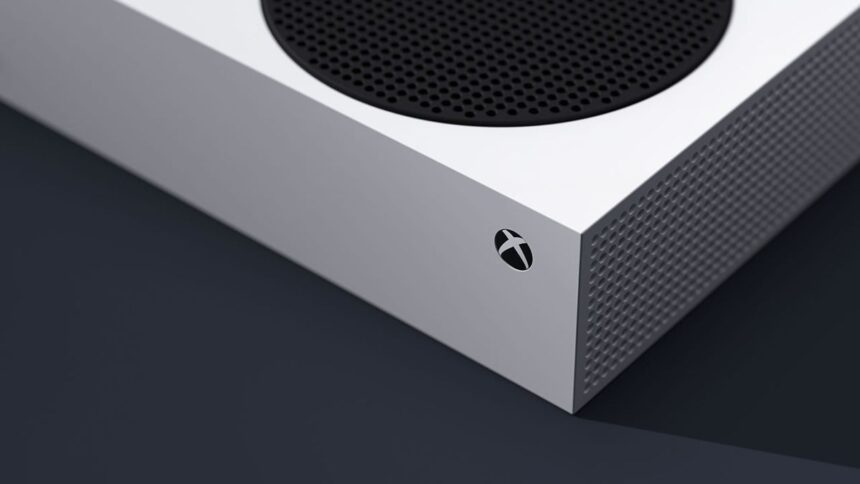
According to the report, overall Xbox revenue fell 9% year over year. Revenue from gaming content and services declined 5%, while Xbox hardware posted the steepest drop, sliding 32% during the quarter. The figures underline a trend that has persisted for several years as Microsoft moves away from a traditional console-driven model.
Hardware Weakness Reflects Strategic Shift
The decline in Xbox console sales has become a recurring theme. Microsoft has increasingly prioritised services, cloud gaming, and a multiplatform publishing approach over exclusive hardware growth. Many of the brand’s most established franchises-built over more than two decades-have already launched or are scheduled to launch on the PlayStation 5 in 2026, reducing the incentive for consumers to invest in Xbox consoles.
The situation was further complicated in 2025 by price increases for the Xbox Series lineup and supply constraints in several markets, including Brazil. Together, these factors dampened demand for Microsoft’s hardware during a period when competition in the console market remained intense.
Busy Release Schedule Fails to Offset Declines
The fourth quarter of 2025 was packed with major Xbox releases. The company launched Ninja Gaiden 4, The Outer Worlds 2, Keeper, and Call of Duty: Black Ops 7, and brought Microsoft Flight Simulator 2024 to PlayStation 5. Despite the strong lineup, these launches were not enough to prevent a broader revenue decline.
Since Microsoft’s acquisition of Activision Blizzard, the content and services segment has delivered consistent growth. However, that momentum slowed in 2025. Call of Duty: Black Ops 7 underperformed both critically and commercially, earning one of the franchise’s lowest Metacritic scores and failing to meet player expectations.
Competition Overtakes a Longtime Market Leader
The disappointment surrounding Black Ops 7 was amplified by the success of Battlefield 6. Electronic Arts’s flagship shooter emerged as the best-selling game of 2025 in the United States, according to Circana. Call of Duty: Black Ops 7 finished in fifth place-an unusual outcome for a series that had dominated sales charts for years.
The shift marked a rare loss of market leadership for Activision’s shooter franchise and contributed to weaker results in Microsoft’s gaming portfolio.
- Windows 11 Pro vs Home: Which Version is Best for you?
Uncertain Outlook for 2026
Looking ahead, Microsoft is expected to continue de-emphasising Xbox hardware, effectively conceding that console sales are no longer central to its gaming strategy. While the company has a strong slate planned for 2026-including Fable, Forza Horizon 6, Gears of War: E-Day, and Halo: Campaign Evolved-questions remain about the division’s long-term direction.
The outlook is further clouded by workforce reductions within the Xbox organisation and rising costs for consumers. Xbox Game Pass, now the cornerstone of Microsoft’s gaming business, saw significant price increases in October 2025.
Taken together, higher subscription costs, declining hardware sales, and inconsistent software performance help explain the downturn in Xbox revenue. As Microsoft doubles down on its services-first approach, the challenge for 2026 will be stabilising the gaming business while redefining success in a post-console-centric era.