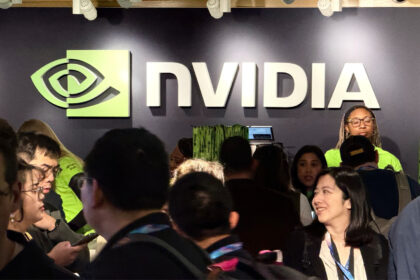

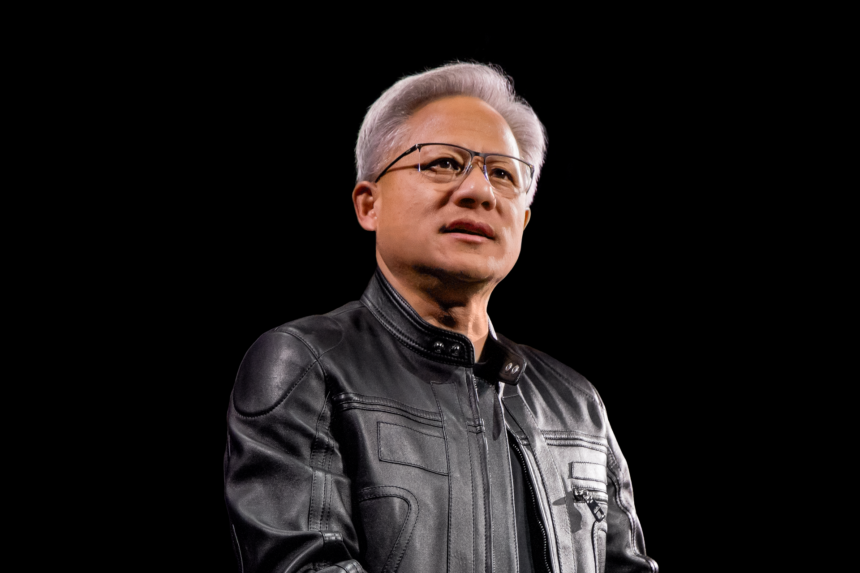
Jensen Huang, the chief executive of Nvidia, is expected to travel to China in late January, a trip that coincides with the Lunar New Year and comes at a sensitive moment for the company’s relationship with one of its most important former markets. According to Bloomberg, the visit aligns with Nvidia’s renewed efforts to reestablish access to Chinese customers for its artificial intelligence accelerators.
Huang’s itinerary reportedly includes internal company events linked to the holiday period, as well as a stop in Beijing. Sources familiar with the matter say it remains unclear whether meetings with senior Chinese officials are scheduled, and the travel plans could still change.
Nvidia has declined to comment on the visit, consistent with its recent approach of avoiding public statements that might raise investor expectations for a large-scale return to the Chinese AI hardware market.
Nvidia has long maintained substantial operations in China, and Huang has made similar Lunar New Year visits in past years. This trip, however, would mark his first visit since the U.S. government confirmed that Nvidia can obtain export licenses to ship certain advanced AI processors, including its H200 GPUs, to the country.
Despite the licensing approval, shipments remain subject to Chinese government oversight. Beijing has reportedly imposed additional controls on how and where such processors can be deployed. As a result, Huang is widely expected to use the visit to engage with Chinese authorities on the scope and conditions of H200 imports.
According to Bloomberg, China may begin authorising limited imports as early as this quarter for select commercial use cases. Companies such as Alibaba and Baidu, which rely heavily on Nvidia’s CUDA software ecosystem, are seen as likely recipients. At the same time, the Chinese government is expected to prohibit the use of H200 processors by the military, sensitive government bodies, critical infrastructure operators, and state-owned enterprises.
While Washington has eased restrictions to allow certain AI GPUs from Nvidia and AMD to be exported, uncertainty remains over how many of these chips China will ultimately purchase. The country continues to invest heavily in domestic semiconductor development as part of its broader push for technological self-sufficiency.
In that context, Huang’s visit carries weight beyond routine corporate engagement. Any agreement enabling wider deployment of H200 accelerators could translate into billions of dollars in revenue for Nvidia. Whether China will grant broader access, however, remains an open question—one that industry observers believe could hinge on the outcome of discussions during Huang’s visit.