


NVIDIA confirmed this Monday (29) that it has completed the acquisition of a US$5 billion equity stake in Intel. The move formalises an agreement first announced in September and represents a major shift in the relationship between the two companies that have traditionally been rivals in the processor market.
The transaction involved the purchase of more than 214.7 million shares of Intel common stock, priced at US$23.38 per share. While NVIDIA does not gain controlling power, the size of the investment gives it a significant strategic position within Intel and signals a deeper, long-term partnership.
Before the deal could be finalised, it required regulatory clearance. The Federal Trade Commission approved the transaction on December 19, concluding that the investment does not violate U.S. antitrust laws despite the scale and influence of both companies within the semiconductor industry.
A critical moment for Intel
The financial injection arrives at a sensitive time for Intel. The company has spent heavily in recent years on expanding its manufacturing footprint and attempting to regain technological leadership after a series of strategic missteps. While those investments strained Intel’s finances, they also positioned the company as a potential alternative to overseas chip manufacturing-something increasingly valued by the U.S. government.
NVIDIA’s capital helps stabilize Intel’s balance sheet while reinforcing confidence in its foundry ambitions.
The “chip war” and unprecedented cooperation
Beyond the financial aspect, the agreement points to an unprecedented level of technical collaboration. With this stake, NVIDIA secures preferential access to Intel’s U.S.-based foundry capacity for chip manufacturing, along with a co-design agreement around the x86 architecture, which still powers the vast majority of PCs and servers worldwide.
Industry analysts believe the long-term goal is the development of a new generation of “superchips”-processors that tightly integrate Intel’s CPU technology with NVIDIA’s GPUs. Such designs would be especially powerful for artificial intelligence workloads, where GPUs play a central role in training and inference.
This partnership is also seen as a strategic response to global competition, particularly from Asia. By strengthening domestic chip production and reducing reliance on overseas fabs, the deal aligns closely with U.S. efforts to reinforce its semiconductor supply chain.
For NVIDIA, the investment functions as a form of strategic insurance. It reduces dependence on TSMC as its primary manufacturing partner and strengthens NVIDIA’s presence in the x86 server ecosystem, an area where Intel continues to hold substantial market share.
Market reaction
Despite the scale and symbolism of the agreement, the immediate reaction from financial markets was relatively muted.
NVIDIA-currently the world’s most valuable company, with a market capitalisation of approximately US$4.56 trillion-saw its shares fall by 1.6% during Monday’s trading session.
Intel, by contrast, recorded a modest gain. The company’s shares rose 0.32%, bringing its market valuation to around US$173.22 billion, placing it far behind NVIDIA but reflecting cautious optimism from investors.
A turning point for the industry
While the stock market response was restrained, analysts widely agree that the deal marks a turning point in the semiconductor landscape. A partnership between two historic competitors underscores how AI demand, geopolitical pressure, and manufacturing constraints are reshaping alliances across the tech industry.
Rather than competing head-on across every front, NVIDIA and Intel are now positioning themselves to cooperate where it matters most-namely, in advanced manufacturing, AI acceleration, and long-term control over critical chip infrastructure.







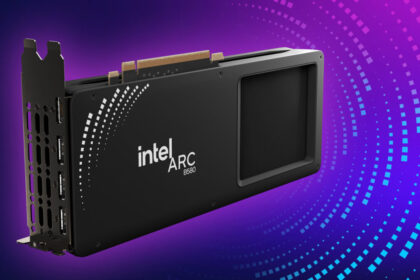

 that it has completed the acquisition of a US$5 billion equity stake in Intel.)