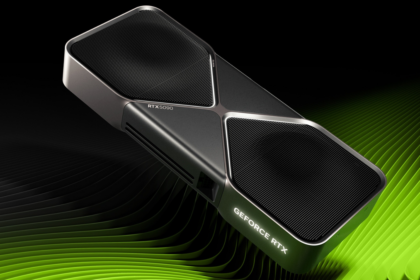

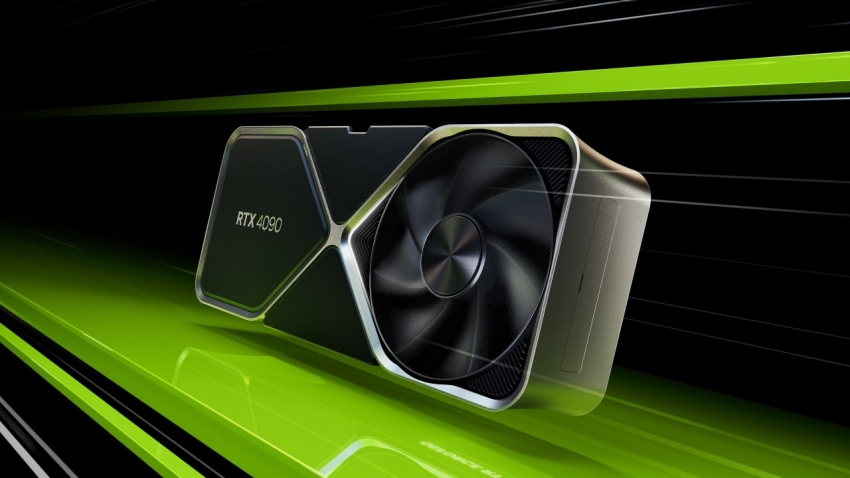
Nvidia is reportedly preparing to significantly scale back production of its GeForce RTX 50 series graphics cards in the first half of 2026, with reductions estimated at between 30% and 40%. The move is reportedly driven primarily by memory supply constraints, according to recent reports from industry sources in Asia.
Multiple reports indicate that the issue extends beyond shortages of GDDR7 graphics memory and encompasses broader limitations across the memory supply chain. If accurate, the cuts would mark a notable shift in Nvidia’s production strategy at a time when memory prices-including DRAM and NAND-are already climbing and putting pressure on overall PC component costs.
Industry publication Benchlife, citing China-based outlet BoBantang, reports that Nvidia plans to adjust GeForce RTX 50 series output in 2026 compared to the same period in 2025. The reduction is expected to affect mainstream and upper-midrange consumer models first, rather than professional-grade products.
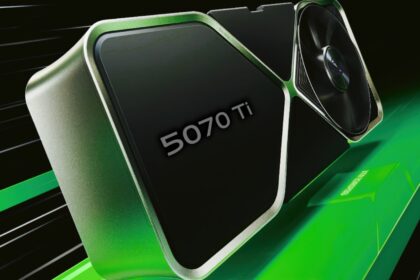
According to the report, Nvidia may initially target the GeForce RTX 5060 Ti 16GB and GeForce RTX 5070 Ti. Both cards utilise relatively large amounts of GDDR7 memory, comparable to higher-end models like the RTX 5080. From a business standpoint, reallocating limited memory supplies toward more expensive, higher-margin GPUs would allow Nvidia to maximise revenue under constrained conditions.
Notably, there has been no indication that Nvidia’s RTX PRO lineup would be affected by the cuts. This has led to speculation that any limited memory availability could be prioritised for professional and enterprise GPUs, which typically generate significantly higher margins than consumer GeForce products.
If these production changes materialise, the impact on consumers could be substantial. The RTX 5060 Ti 16GB, in particular, is widely regarded as a more future-proof option than its 8GB counterpart, offering sufficient VRAM to handle modern games without significant compromises. A reduction in availability could prompt more buyers to opt for lower-memory models, potentially limiting the performance longevity of mainstream gamers.
Benchlife also reports that several add-in-board (AIC) partners and component suppliers have echoed similar expectations, stating that Nvidia is likely to be the first major GPU vendor to formally adjust supply for the RTX 5070 Ti and RTX 5060 Ti 16GB due to memory constraints.
The reported production cuts come at a time already challenging for PC enthusiasts. DDR5 memory prices have risen sharply, and continued increases could spill over into GPU pricing as manufacturers focus on models that either use less memory or deliver higher profit margins. Combined with reduced supply, this raises concerns about potential GPU shortages and further price inflation in 2026.
While Nvidia has not officially commented on the reports, the situation underscores growing pressure across the semiconductor and memory markets. If memory shortages persist and production is reduced as suggested, PC gamers may face higher prices, fewer options with ample VRAM, and a more difficult upgrade cycle in the year ahead.