
Microsoft has released its February 2026 security update for Windows 10, delivering critical fixes for users enrolled in the Extended Security Updates (ESU) program as the operating system enters its final support phase.
The update, identified as KB5075912, upgrades Windows 10 version 22H2 to Build 19045.6937 and focuses on stability, security and system reliability rather than new features.
Critical fix for shutdown and hibernation issues
The most significant change addresses a long-standing bug that prevented some PCs from shutting down or entering hibernation properly. Affected systems could become stuck on the “Turning off” screen, restart unexpectedly or fail to power down completely-potentially increasing energy consumption.
Microsoft said the issue primarily impacted certain Secure Launch-capable devices running with virtualisation-based security settings enabled.
Stability improvements for affected systems
The update also includes performance and reliability fixes reported after previous patches. Users had experienced issues such as:
- System stuttering or reduced frame rates in games
- Taskbar freezing or delayed responses
- General performance instability
Some reports indicated the problems were more noticeable on systems using Nvidia GPUs, although Microsoft has not published a specific list of affected hardware.
File Explorer customization restored
Another fix resolves problems with folder customisation using desktop.ini, a feature commonly used in enterprise environments to display custom folder names or paths within File Explorer.
Available only for ESU subscribers
The February update is being distributed exclusively to devices enrolled in Microsoft’s paid ESU program. Systems outside the program will not receive the patch and may display notifications indicating that Windows 10 is no longer supported.
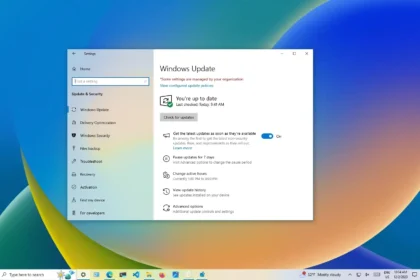
Eligible users can install the update through Windows Update or download it manually from the Microsoft Update Catalog. Manual installations are provided in .cab format and may require command-line deployment if automatic detection fails.
Security vulnerabilities addressed
In addition to reliability fixes, the February package resolves 58 security vulnerabilities, including several actively exploited flaws. The issues involve privilege escalation risks and bypasses affecting components such as Windows Shell and SmartScreen.
Extended support continues with limitations
While Windows 10 remains widely used, Microsoft has moved it to extended support, meaning future updates will focus solely on security and critical stability fixes. Access to ESU coverage requires a paid subscription for individuals and organisations.
The latest release underscores the platform’s maintenance-only status, prioritising risk reduction and operational stability as users gradually transition to newer Windows versions.