
Microsoft is preparing a long-awaited fix for one of Windows 11’s most frustrating issues: sluggish File Explorer performance. A recent preview update suggests that the company has finally addressed the excessive CPU and memory usage that has plagued users since the operating system’s visual overhaul.
According to details emerging from the latest Insider Preview update (KB5072043), Microsoft has introduced under-the-hood optimisations aimed squarely at improving how File Explorer handles searches, folder navigation, and background processes. For many users, this could mean the end of delayed responses, sudden system slowdowns, and loud fan noise during routine file operations.
Why has File Explorer slowed down in Windows 11
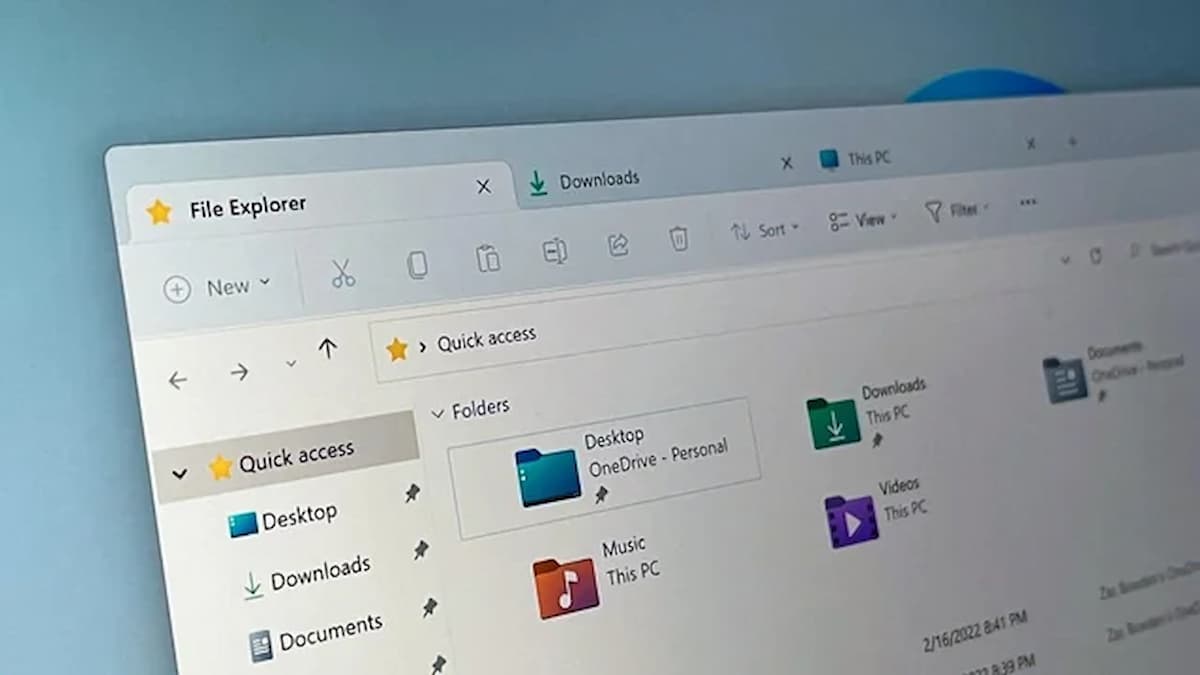
The performance issues can be traced back to Microsoft’s redesign of File Explorer, which utilises XAML Islands, a modern UI framework designed to provide visual consistency across Windows 11. While the refreshed interface looked cleaner and more contemporary, it came at a cost. Users quickly noticed that browsing large folders or searching for files caused noticeable spikes in CPU and RAM usage.
These slowdowns were largely the result of inefficient communication between the interface layer and Windows’ internal indexing systems. Even simple actions could trigger multiple background processes, making File Explorer feel heavier and less responsive than its Windows 10 counterpart.
What Microsoft has changed
The new update does not introduce visible design changes. Instead, it focuses on technical refinements that directly affect performance:
- More efficient searches: File queries now require fewer processor cycles, resulting in reduced CPU load during searches.
- Improved memory handling: Interactions with indexing and background services have been optimized to avoid unnecessary RAM consumption.
- Smoother navigation: With fewer resource spikes, scrolling through folders and switching directories feels faster and more consistent.
These changes are part of a broader effort by Microsoft to refine Windows 11’s performance. Recent updates have also included SSD optimizations, better BitLocker efficiency through hardware acceleration, and tighter integration with mobile devices.
When users can expect the fix
At present, the improvements are only available to Windows Insider participants. However, given the widespread complaints about File Explorer performance and the positive early feedback, Microsoft is expected to roll out these optimisations to all users in an upcoming cumulative update.
Industry watchers anticipate a general release toward the end of January or early February 2026. Once available, the update should arrive automatically through Windows Update.
For users who regularly manage large volumes of files, this fix could make a noticeable difference in daily workflows. Keeping Windows 11 up to date may soon restore File Explorer to the responsive experience many have been waiting for.