
Zorin OS, a Linux distribution positioned as an alternative to Windows and macOS, has recorded a sharp rise in adoption over the past three months, fueled largely by users moving away from Microsoft’s aging operating system. The surge comes as Microsoft officially ended support for Windows 10, prompting many users to explore other options to keep their existing PCs secure and usable.
According to figures shared by the Zorin OS team, Zorin OS 18 has surpassed two million downloads in less than three months. Roughly three-quarters of those downloads came from users previously running Windows 10 or Windows 11, making it the most successful release in the project’s history.
Hardware compatibility draws Windows users
One of Linux’s long-standing advantages is its broad hardware support, and Zorin OS is benefiting from that reputation. Unlike Windows 11, which requires features such as TPM 2.0 and newer CPUs, Linux distributions can run on a wide range of older but still capable systems. For many users facing forced upgrades or hardware replacements, switching to Linux offers a way to extend the life of their computers.
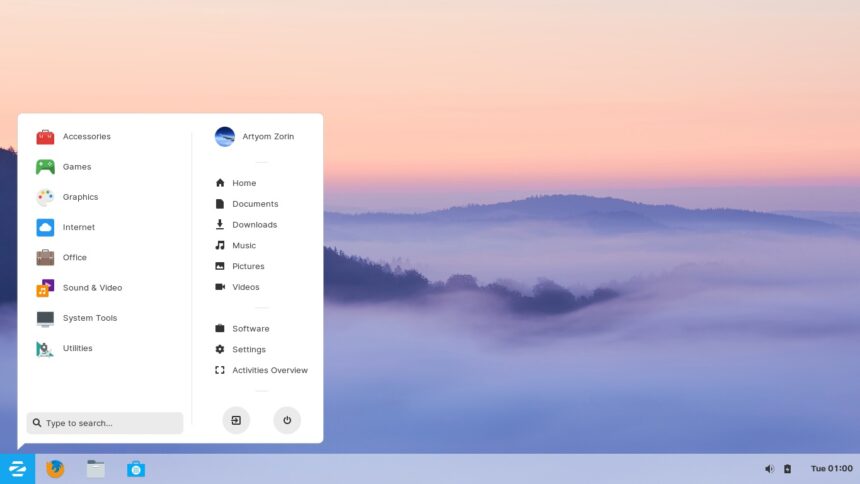
Zorin OS has specifically targeted this audience by focusing on ease of use and a familiar interface. The distribution is often recommended as one of the most approachable Linux options for people coming from Windows, which may help explain the scale of recent interest.
Timing and wider frustration with Windows
The release of Zorin OS 18 coincided directly with the end of Windows 10 support, a move that left millions of PCs without security updates unless users upgraded hardware or paid for extended support. At the same time, growing dissatisfaction with Microsoft’s increasing emphasis on AI features and bundled services has added to the appeal of simpler, more controlled alternatives.
While the spike in downloads does not necessarily mean all users have abandoned Windows permanently, it highlights a rising willingness to experiment with other platforms.
Linux adoption continues to inch upward
Zorin OS is not alone in seeing growth. Data from Valve’s Steam Hardware Survey shows Linux usage on the platform increasing by 0.38 percentage points, bringing its share to 3.58 percent. Windows remains dominant among Steam users with more than 94 percent, but the gradual rise suggests a slow shift in attitudes.
For now, Windows continues to control the desktop market, but Zorin OS’s recent momentum points to a broader trend: as operating system requirements tighten and user frustration grows, more people are at least willing to consider Linux as a viable alternative rather than a last resort.