
Generative artificial intelligence is moving beyond simple chatbots and image generators, as companies increasingly embed the technology into everyday workflows. This shift has already begun reshaping workplaces by automating repetitive tasks, in some cases reducing the need for certain roles. Now, leaders at major AI firms suggest the technology may be approaching an even more transformative phase.
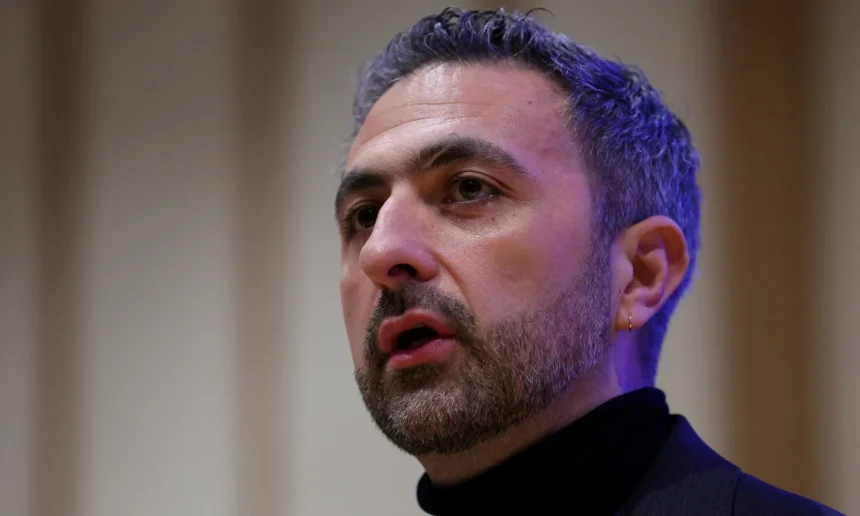
Mustafa Suleyman, CEO of Microsoft AI, has said he believes personal AI companions will become commonplace within the next five years. In comments shared publicly this week, Suleyman described a future in which AI systems form deeply personalised relationships with users, functioning less like tools and more like ever-present assistants or companions.
According to Suleyman, these AI companions would be able to understand an individual’s habits, preferences, motivations, and daily context. Rather than responding only to direct prompts, they would continuously observe and assist users, helping them navigate personal and professional challenges. He suggested that such systems could feel as though they are “living life alongside” their users, seeing and hearing what they do while offering constant guidance.
This vision is not new for Suleyman. In 2024, he publicly argued that AI chatbots could evolve into trusted digital friends, emphasising that people would eventually rely on them with sensitive information and critical responsibilities. He framed this development as an inevitable next step in human–computer interaction, one that society would need to learn to manage responsibly.
Microsoft appears to be moving in this direction with recent updates to Microsoft Copilot. The company has introduced features such as persistent memory, enhanced search, visual awareness tools, and customizable avatars designed to make Copilot feel more personal and interactive.
Together, these additions point toward an assistant that is designed to remain continuously present rather than being used only for isolated tasks.
However, this trajectory has also raised serious concerns. Reports have highlighted cases in which users developed unhealthy emotional dependencies on AI chatbots. In one high-profile lawsuit, a family is suing OpenAI, alleging that their teenage son became dangerously reliant on an AI system prior to his death.
The case has intensified scrutiny around how quickly advanced conversational models are being released and whether sufficient safeguards are in place.
As AI systems become more personal and immersive, experts warn that balancing innovation with user safety will be critical.
While advocates argue that AI companions could offer meaningful support and productivity gains, critics caution that blurring the line between software and companionship carries psychological and ethical risks that the industry has yet to fully address.
- Google Unveils ‘Personal Intelligence’ to Let Gemini Work Across User Apps
- OpenAI to Test Advertising in ChatGPT Free and Go Plans in the U.S
- US Commerce Secretary to Memory Makers: Build in America or Face 100% Tariffs