

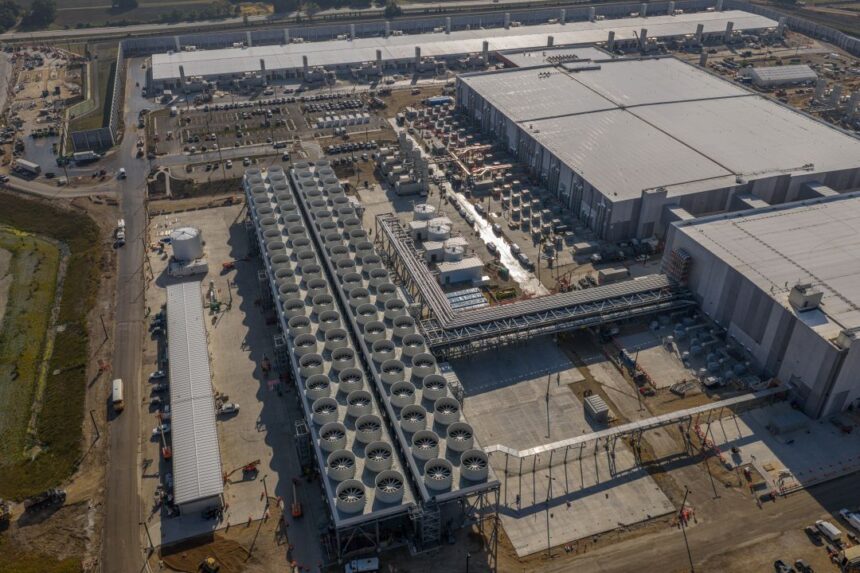
Microsoft has pledged to pay electricity rates that fully cover the cost of operating its data centers in the United States, responding to growing concerns that the rapid expansion of artificial intelligence infrastructure could drive up power bills for households and small businesses.
The commitment was outlined Tuesday by Microsoft President Brad Smith in a blog post, where he said the company will ensure its data centers do not shift energy costs onto the general public.
In addition to paying full utility rates, Microsoft will work closely with electricity providers to secure adequate power supplies, improve energy efficiency across its facilities, and reduce water consumption.
Smith described the move as part of Microsoft’s broader responsibility as one of the world’s largest technology companies. He said the initiative reflects both “a sense of civic responsibility” and a long-term strategy for operating large-scale AI infrastructure sustainably. “We will set a high bar,” Smith wrote, emphasising that the company sees responsible energy use as essential to the future of its AI business.
The announcement comes amid rising political and public scrutiny of data centers, which consume vast amounts of electricity and are being built at a rapid pace to support AI services. Utilities in several parts of the U.S. have warned that large data center projects can strain local grids, potentially leading to higher electricity prices for residents.
U.S. President Donald Trump addressed the issue on Monday, saying his administration had been in discussions with Microsoft to ensure consumers are not forced to absorb the costs of powering massive AI facilities. In a post on Truth Social, Trump acknowledged that data centers are “key” to the AI boom but stressed that major technology companies must “pay their own way.”
Microsoft’s pledge positions it as the first major U.S. tech firm to publicly commit to covering the full electricity costs of its domestic data centers. The move may increase pressure on other companies racing to build AI infrastructure to make similar assurances, as debates intensify over how the benefits and costs of the AI revolution should be distributed across society.