
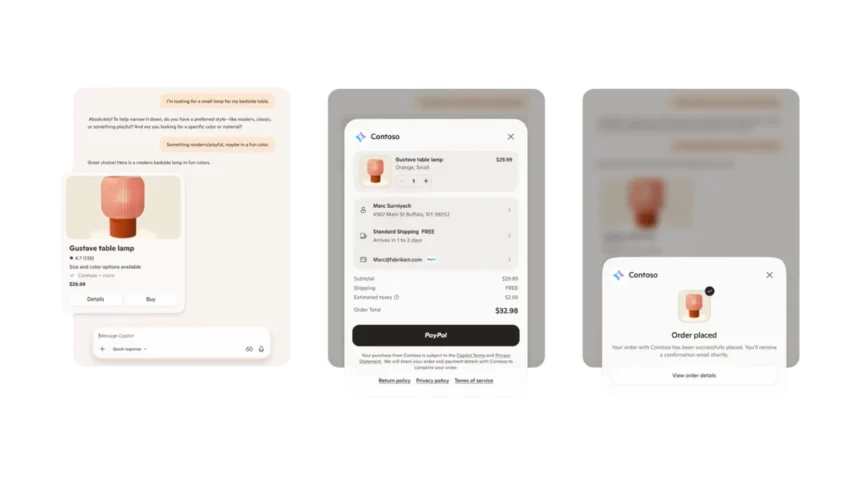
Microsoft is deepening the integration of its AI assistant across the Windows ecosystem with the launch of Copilot Checkout, a new feature that enables users to purchase products directly within a Copilot conversation, eliminating the need for redirection to external websites.
The feature, announced by Microsoft, enables users to discuss products with Microsoft Copilot and complete purchases entirely within the chat interface. Once a user confirms a decision, a Copilot-powered AI agent navigates to the retailer, fills in the required information, and finalises the transaction on the user’s behalf.
Copilot Checkout will be available through Copilot.com and will initially support transactions via Etsy, PayPal, Shopify, and Stripe. Microsoft says additional retail partners will be added over the coming weeks.
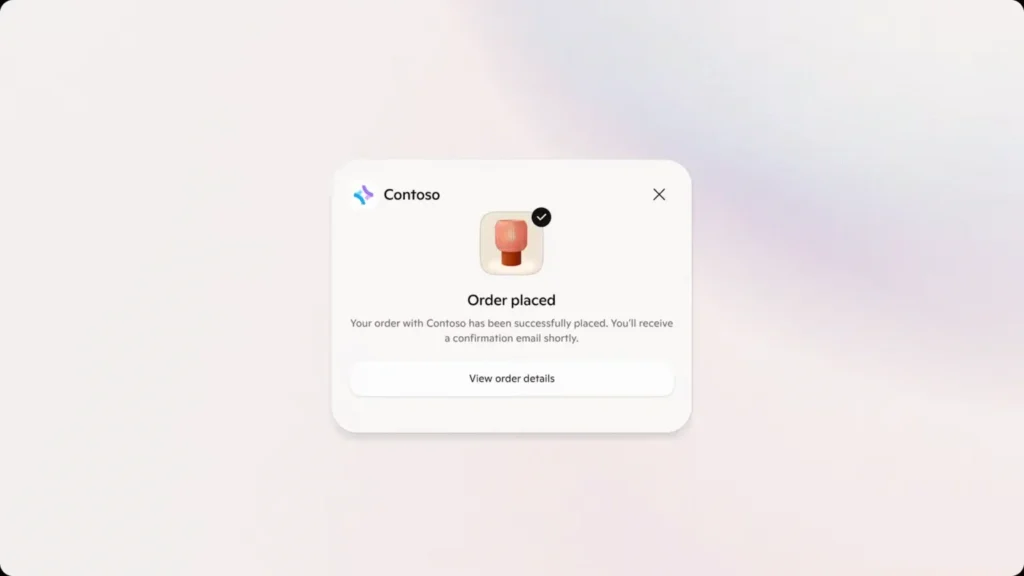
Under the new system, merchants using PayPal or Stripe can apply to participate in Copilot Checkout. Shopify sellers, however, will be enrolled by default and must manually opt out if they do not wish to take part, a detail that has already raised concerns among some merchants about control and consent.
Part of a broader push toward AI-driven transactions
Microsoft’s move follows a growing industry trend toward so-called “agentic” AI systems—tools designed to autonomously complete tasks for users. OpenAI introduced a similar capability last year with Instant Checkout in ChatGPT, allowing purchases from select retailers, including Etsy and Shopify.
For AI providers, the appeal is straightforward: both Microsoft and OpenAI can collect a share of transactions routed through their platforms, while retailers gain potential exposure to new customers. However, there is still limited data on how widely consumers are adopting AI-assisted purchasing or how comfortable they are granting chatbots access to payment workflows.
Copilot’s growing footprint raises concerns
More broadly, Copilot Checkout underscores Microsoft’s commitment to integrating Copilot as a central part of its software ecosystem. The assistant is now embedded across Windows 11, Microsoft Edge, Bing, and the Microsoft 365 lineup. The expansion has been so aggressive that recent speculation suggested Microsoft might even rebrand Microsoft 365 around Copilot.
That ubiquity has sparked backlash from users seeking to limit or remove the assistant. Privacy-focused firm Proton notes that only enterprise customers and IT administrators can fully remove Copilot from Windows 11. For most individual users, the options are limited to reducing its visibility or functionality rather than eliminating it altogether.
Concerns have also surfaced beyond Microsoft’s own platforms. Last month, owners of LG smart TVs reported that a software update added an unremovable Copilot shortcut to their home screens. Following public outcry, LG later provided users with an option to disable the feature.
With Copilot Checkout, Microsoft is signalling that Copilot is no longer just an assistant for writing and productivity, but a gateway for commerce as well. For supporters, it represents a step toward more seamless digital experiences. For critics, it is another example of how difficult it has become to avoid Copilot—whether users want it or not.
- Microsoft Signals Fresh Push to Move Windows Software to ARM With ‘Project Strong ARMed’
- Microsoft Tests AI-First Redesign of Edge, Signaling Deeper Copilot Integration
- Microsoft Clarifies File Access Rules for AI Agents in Windows 11