

More and more people are choosing to do a digital detox by reducing their exposure to screens. Simple actions like turning off notifications, deleting unused apps, and relying on “Do Not Disturb” mode have become common ways to regain control over daily routines.
Even though spending hours on a phone feels normal today, it often comes with hidden costs: reduced focus, higher anxiety levels, difficulty sleeping, and a growing inability to fully enjoy the present moment. A digital detox doesn’t mean giving up technology entirely—it’s about using it more intentionally.
Here are six practical tips to help you start a digital detox and build healthier habits with your smartphone.
How to Use Your Phone Less
1. Delete apps you no longer use
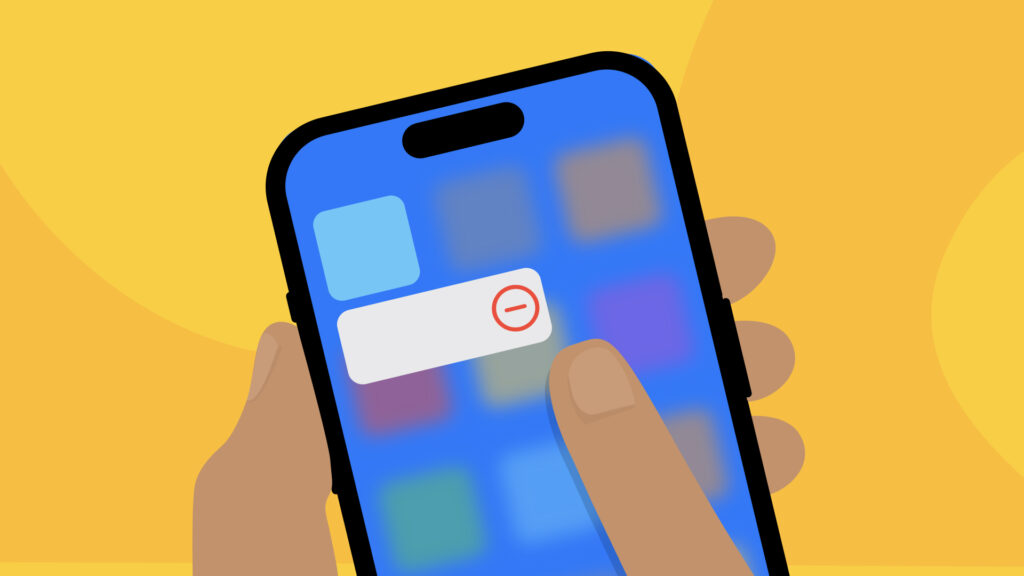
Over time, most phones become cluttered with apps that once seemed useful but now serve no real purpose. Beyond taking up storage, these apps act as constant distractions—you open your phone to do one thing and end up scrolling through something else entirely.
Removing unused apps simplifies your phone and reduces visual and mental noise. Start by reviewing what you actually use on a daily or weekly basis, and uninstall any applications that no longer add value.
2. Turn off notifications from nonessential apps
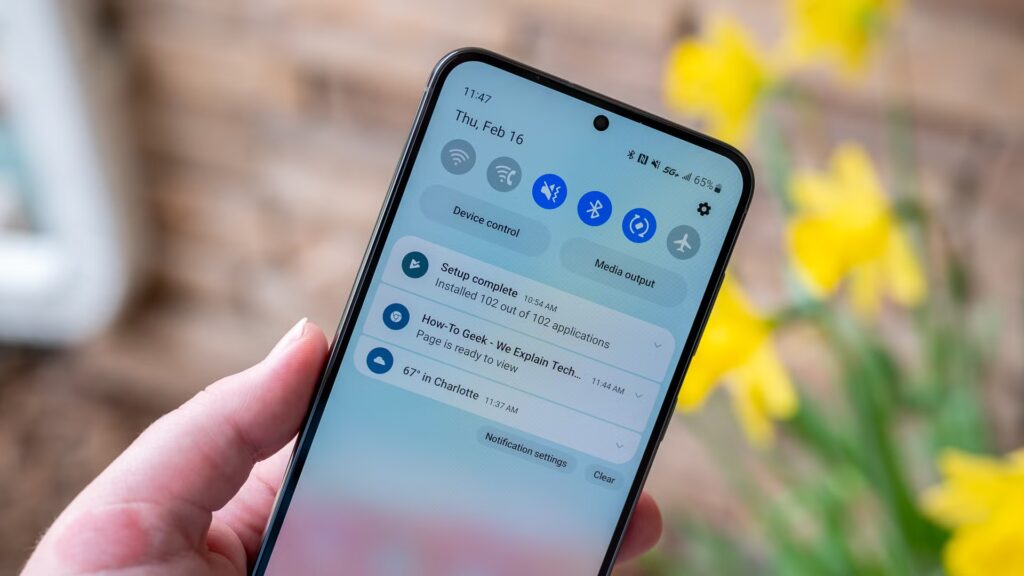
Notifications constantly pull your attention away, even if only for a moment. While each alert may seem insignificant, the cumulative effect is exhausting—dozens of interruptions throughout the day quietly drain your mental energy.
Disabling notifications from social media, games, and less important apps can significantly lower stress levels and help you stay focused. You’ll still be able to check those apps when you choose, but without the constant interruptions.
3. Avoid using your phone before bedtime

Using your phone before sleep is one of the most common—and harmful—habits. The blue light from screens signals your brain to stay alert, making it harder to fall asleep. On top of that, it’s easy to fall into the “just one more video” trap and lose an extra hour without realising it.
Try setting a cut-off time for phone use at night. If possible, leave your phone in another room so notifications don’t disturb your sleep or tempt you to check the screen.
4. Make use of “Do Not Disturb” mode
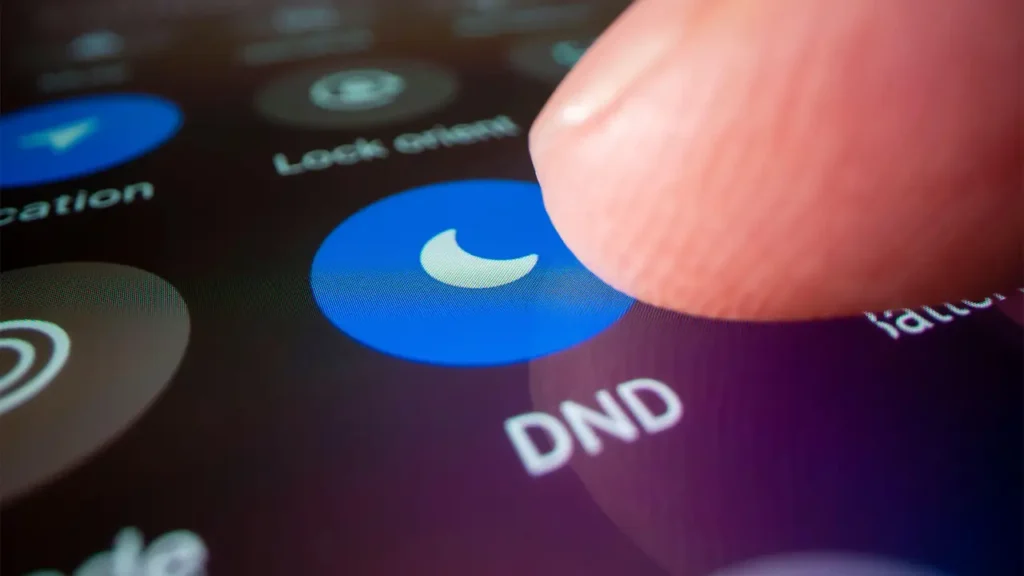
When you need to focus—whether at work, studying, exercising, or spending time with friends—your phone can easily break your concentration. Even the anticipation of a notification can distract you.
Activating Do Not Disturb mode helps create uninterrupted time. You can also schedule it to turn on automatically during specific hours or in certain situations, such as when you arrive at the office or start a workout.
5. Remove social media apps from your home screen
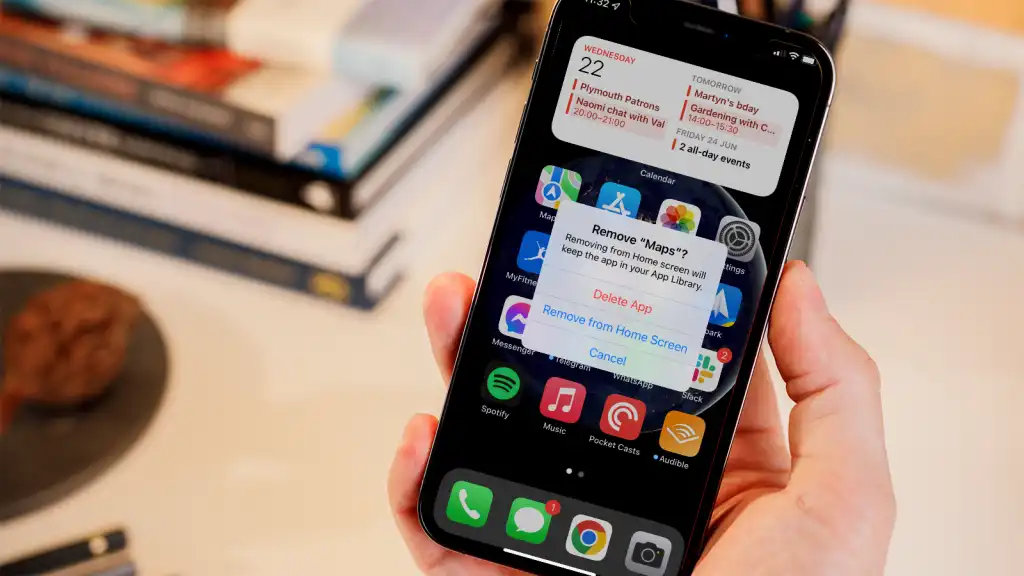
Opening social media often happens without conscious thought—it’s a reflex triggered by seeing the app icon. Removing these apps from your home screen can break that habit.
You’ll still have access to them, but the extra step makes you more intentional. Some people go further by hiding social media apps in folders or app menus, making impulsive scrolling less likely.
6. Don’t use your phone while doing other activities
Using your phone while eating, watching something, or talking to someone divides your attention. The result is that you’re not fully present in any activity.
For example, eating while scrolling can interfere with digestion and your sense of fullness. Looking at your phone during conversations can signal disinterest and cause you to miss important moments or details. Making a habit of putting your phone away during these activities helps you stay engaged and enjoy them more fully.
A digital detox doesn’t require drastic measures. Small, consistent changes—like silencing notifications or putting your phone down during meals—can have a noticeable impact on your focus, mood, and overall well-being. The goal isn’t to eliminate technology, but to make sure it serves you, not the other way around.
- Use Google Translate Camera, Voice, and Offline Mode on Mobile
- Best Apps for Managing a Book Club
- 5 Apps to Remind You to Drink Water
- Mind Map Apps for iPhone and iPad