
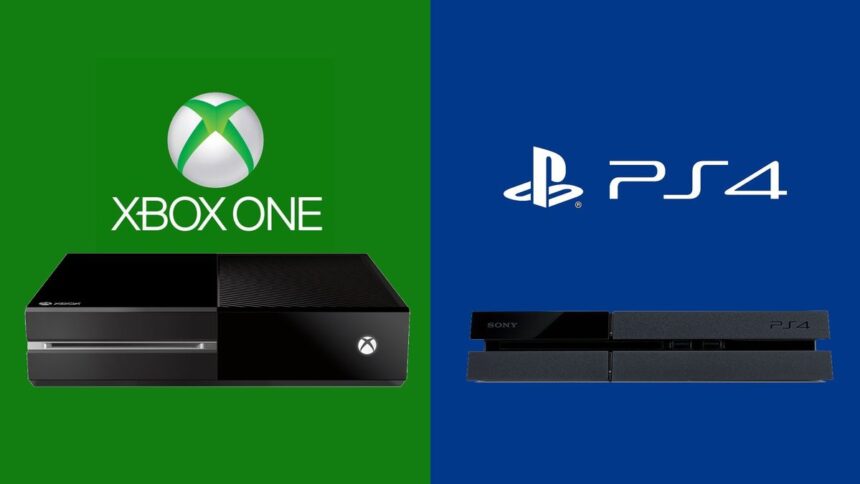
When Sony and Microsoft launched the PlayStation 4 and Xbox One in 2013, the two consoles did more than usher in a new generation of hardware. They helped define modern gaming standards, from digital storefronts and persistent online services to long-term post-launch support. More than a decade later, signs are mounting that 2026 will mark a decisive turning point for both systems.
Despite the arrival of the PlayStation 5 and Xbox Series consoles in 2020, the PS4 and Xbox One remained active far longer than most previous generations.
Pandemic-related development delays and global component shortages kept newer hardware out of reach for many players, forcing publishers to continue supporting older systems well into the current cycle. That extended lifespan, however, is now clearly drawing to a close.
Fewer Games, Fading Focus
One of the clearest indicators is the shrinking release calendar. Sony’s last major first-party title for PS4 was God of War: Ragnarök in 2022, while Microsoft’s Xbox One output has been limited largely to cross-generation releases and long-running titles. Outside of a handful of technically lighter third-party games, big-budget releases have largely bypassed the previous generation.
This shift reflects a broader change in priorities. Both platform holders and publishers are now focusing development resources almost exclusively on current-generation hardware, where performance targets and feature sets are no longer constrained by decade-old systems.
Services Begin to Wind Down
Services are also being adjusted. Microsoft continues to support Xbox Game Pass on Xbox One, but Sony has confirmed that PlayStation Plus will stop offering PS4 titles starting in January 2026. Developer documentation suggests that certain PS4-specific features will also become unavailable next year, limiting what studios can do even if they choose to release new software on the platform.
System updates tell a similar story. Feature-rich updates have become increasingly rare, with future support expected to focus primarily on security patches and stability fixes, rather than introducing new functionality. Peripheral and accessory development is also shifting exclusively toward PS5 and Xbox Series hardware.
Online Servers Under Pressure
Another looming change involves online multiplayer support. As games demand more advanced infrastructure and hardware capabilities, publishers are increasingly discontinuing support for older consoles. Several titles still available on PS4 and Xbox One are expected to shut down server support in the near future, with more likely to follow as developers concentrate on newer platforms.
That said, history suggests this will be a gradual process rather than an abrupt cutoff. Online services for even older systems like the PlayStation 3 and Xbox 360 persisted for years after their commercial peak, and the same is likely true for their successors.
A Long Goodbye, Not an Abrupt End
In practical terms, the PS4 and Xbox One are not going to disappear overnight. Thirteen years of support already place them among the longest-lived consoles in industry history. Digital storefronts are expected to remain online for many years, and backward compatibility ensures that games will continue to be playable on newer hardware.
What 2026 represents is not a shutdown, but a clear declaration of direction. Sony and Microsoft are signalling that the future of their ecosystems lies firmly with current and upcoming generations. For players still using PS4 and Xbox One, the transition will be gradual, with memories, libraries, and many online experiences remaining intact for years to come.
The end is inevitable, but it is neither sudden nor destructive. Instead, it marks the closing chapter of one of gaming’s most enduring console generations-one that lasted longer, and left a bigger mark, than almost anyone expected.