


In a change likely to be welcomed by many viewers, YouTube has rolled out a series of updates to its search filters, including a long-requested option to separate Shorts from traditional long-form videos. The move follows growing frustration over the increasing volume of low-quality, often AI-generated Shorts that dominate search results.
According to YouTube, the changes are a direct response to user feedback aimed at improving search relevance and usability. The platform has introduced new filters, renamed others, and removed options that it says were not functioning as intended.
The most notable update affects Shorts. YouTube has added Shorts as a standalone category within the Type filter, allowing users to choose whether they want to see only long-form videos or only Shorts in their search results. This marks the first time Shorts can be cleanly excluded from searches without workarounds.
Another visible change is the renaming of the “Sort by” menu, which will now be called “Prioritise.” YouTube says the revised label better reflects the purpose of the feature, which is to surface the most useful results for a given query.
Within that menu, the former “View count” option has been renamed to “Popularity.” Rather than relying solely on raw views, YouTube will now factor in additional signals, such as watch time, when determining the popularity of a video for specific searches.
At the same time, YouTube is removing several underperforming filters. “Upload Date – Last Hour” and “Sort by Rating” are being discontinued due to user complaints and inconsistent results. Other upload date filters, including Today, This Week, This Month, and This Year, will remain available.
The update arrives amid increasing scrutiny of so-called “AI slop” on the platform. A recent report found that more than 21 per cent of videos shown to new users could be classified as low-effort, AI-generated content designed to farm views, subscriptions, or influence opinion.
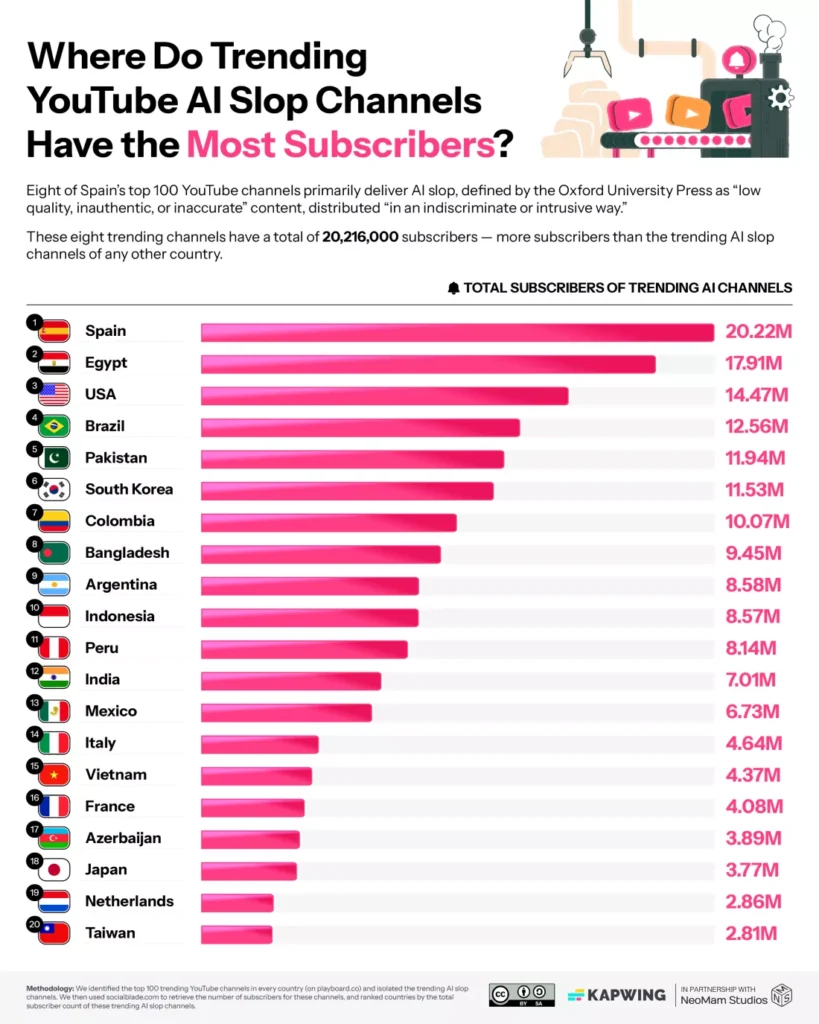
The study also noted that such content attracts massive audiences in countries including South Korea, Pakistan, and the United States, with some of the most popular channels earning millions of dollars annually in advertising revenue.
Despite the new filtering options, YouTube still does not require creators to label AI-generated videos in a way that allows them to be searched or filtered. As a result, while users can now avoid Shorts more easily, there is still no direct way to filter out AI-generated content itself.
For many users, however, the ability to separate Shorts from long-form videos represents a meaningful step toward regaining control over YouTube’s increasingly crowded search results.
- YouTube Live Stream Errors
- How To Download YouTube Subtitles
- YouTube Channel Ideas for Beginners
- What is YouTube Super Chat