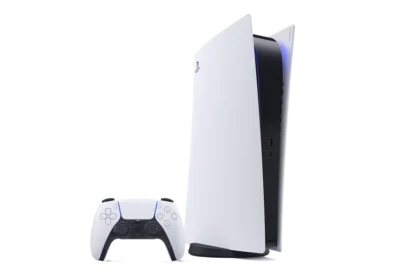


The next generation of PlayStation and Xbox hardware may already be moving closer to production, according to prominent hardware leaker KeplerL2.
The leaker claims Sony’s PS6 GPU will deliver 40 TFLOPS, while Microsoft’s next-generation Xbox, currently known as Project Helix, could reach 56 TFLOPS. KeplerL2 also reportedly said that the chipsets powering both consoles have already reached the tape-out stage.
If accurate, that would mark an important milestone for both platforms, although neither Sony nor Microsoft has officially confirmed these specifications.
PS6 Reportedly Targets 40 TFLOPS
The claims surfaced during a NeoGAF discussion about alleged PS6 performance.
A previous post suggested that Sony’s next console could reach up to 80 TFLOPS and outperform Nvidia’s RTX 5080. KeplerL2 reportedly pushed back on those figures, instead claiming that the PS6 will deliver around 40 TFLOPS.

The same discussion reportedly produced the 56 TFLOPS figure for Microsoft’s Project Helix.
On paper, that gives Microsoft’s console around 40% more raw GPU compute than the PS6. However, TFLOPS alone cannot be used to determine how much faster one console will actually be in games.
Both Console Chips May Have Taped Out
The more significant part of the leak could be the reported manufacturing status of the processors.
When asked whether there was any information about the development of the two chips, KeplerL2 reportedly said that both the PS6 and Project Helix chipsets have been taped out.
In semiconductor development, tape-out generally means the chip design has reached a finalized stage and has been submitted for manufacturing. It does not mean the finished hardware is ready to launch, but it is a major step toward bringing a processor into production.
If the claim is accurate, both Sony and Microsoft could already have finalized key elements of their next-generation silicon.
More TFLOPS Does Not Automatically Mean More Performance
The 56 TFLOPS figure gives Project Helix a notable advantage in raw GPU compute, but that does not necessarily mean Microsoft’s console will be 40% faster in real-world games.
TFLOPS measures the theoretical number of floating-point operations a GPU can perform per second. Actual gaming performance also depends on architecture, clock speeds, memory bandwidth, cache, CPU performance, storage, software optimization and other hardware features.
Developers can also make different architectural choices that affect how effectively a console uses its available compute power.
As a result, the leaked numbers should be viewed as one piece of the performance picture rather than a direct comparison of gaming performance.
Could PS6 Arrive in 2027?
Sony has not announced a release date for the PS6. Previous comments from the company’s leadership indicated that component availability remains a factor in determining when the next-generation console can launch.
The reported tape-out could nevertheless fuel speculation about a late 2027 launch, rather than the 2028 timeframe that has previously been discussed.
That remains speculation. A completed chip design still has to go through manufacturing, testing, validation and mass production before a console can reach consumers.
PS6 Price Could Become Another Concern
Hardware costs are another question surrounding the next generation.
KeplerL2 has previously claimed that the PS6 could have a bill of materials of around $760. If that estimate proves accurate, a launch price approaching $1,000 would not be difficult to imagine, although there is currently no confirmed retail price.
Project Helix is also rumored to occupy a similar premium price range.
With current console supply and component costs already attracting attention, pricing could become one of the biggest questions surrounding both next-generation platforms.
For now, however, the PS6 and Project Helix remain officially unannounced products with limited confirmed specifications. The reported 40 and 56 TFLOPS figures, along with the tape-out claims, come from KeplerL2 and should be treated as leaks rather than confirmed hardware specifications.