

Xbox co-founder Laura Frier believes Microsoft’s future gaming strategy will focus less on traditional console development and more on strengthening the broader Windows ecosystem, cloud gaming services and subscription platforms.
Speaking in a video published on June 19, Frier argued that Microsoft’s upcoming Project Helix initiative does not represent an abandonment of Xbox hardware. Instead, she suggested the company is repositioning the gaming brand around its greatest strength: Windows.
According to Frier, Microsoft’s long-term vision appears to revolve around creating a seamless gaming environment that combines Windows, Xbox services, cloud infrastructure and Game Pass into a unified platform.
Frier noted that the console business has always been a difficult and expensive market, particularly for companies without decades of manufacturing experience.
“They’re trying to get back to what they know. Hardware has always been a brutal business. It’s expensive and has extremely narrow profit margins. When we started Xbox, we didn’t have the manufacturing experience that Sony or Nintendo had,” she said.
She added that Project Helix will only succeed if Microsoft can deliver a streamlined gaming experience while addressing longstanding Windows issues that can negatively affect players, including driver conflicts, background software interference and system instability.
Rising Component Costs Create New Pressure
The shift comes as Microsoft faces growing challenges linked to the global semiconductor market.
Earlier this year, Xbox chief executive Asha Sharma highlighted the impact of an AI-driven component shortage, which has significantly increased the cost of critical hardware used in gaming systems.
According to Sharma, the prices of SSD storage and memory components have risen dramatically, forcing Xbox to pay substantially more for key parts required to manufacture future consoles. The executive warned that these rising costs could remain a major obstacle as the company prepares hardware planned for release by the end of 2027.
Industry observers believe these financial pressures may accelerate Microsoft’s move away from conventional console development and toward a more software-focused ecosystem built around Windows and cloud gaming technologies.
Windows Positioned at the Center of Xbox Strategy
Frier suggested that Microsoft’s broader objective is to keep Xbox present in living rooms while reducing its dependence on dedicated console hardware.
This approach would likely place greater emphasis on Windows-based gaming devices, full-screen Xbox experiences on PCs and cloud-powered services that can operate across multiple hardware platforms.
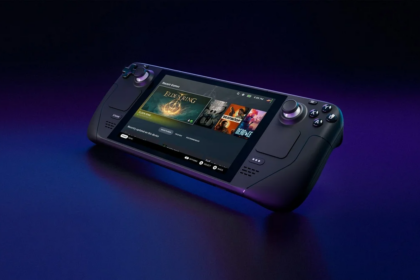
However, the strategy faces increasing competition from alternatives such as SteamOS and the broader Linux gaming ecosystem supported by Gabe Newell’s company, Valve.
As competition intensifies, Microsoft’s challenge will be maintaining Windows as the dominant gaming operating system while adapting to changing consumer preferences and rising hardware costs.
Project Helix Remains Largely Under Wraps
Although Sharma confirmed earlier this year that Project Helix will support both PC and Xbox games, Microsoft has yet to reveal detailed information about how the platform will function or how software compatibility will be managed.
The company has also remained silent on specific hardware plans, fueling speculation about whether future Xbox-branded devices could resemble gaming PCs more than traditional consoles.