
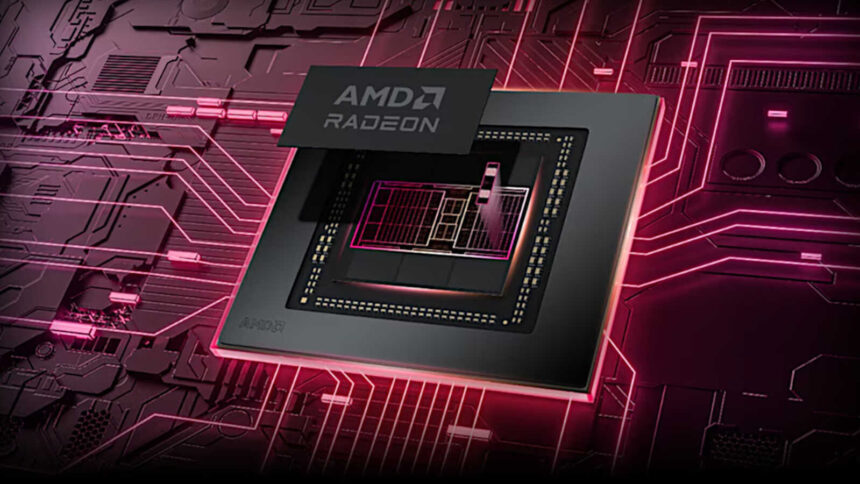
AMD may be preparing an unexpected return to the high-end graphics card market at a time when Nvidia’s desktop GPU roadmap appears increasingly uncertain.
The Radeon maker stayed away from the flagship segment with its RDNA 4 generation, instead focusing on mainstream and upper-mid-range GPUs. That strategy has allowed AMD to compete in a market where increasingly expensive graphics cards have pushed many PC builders toward more affordable hardware.
Now, however, AMD could be preparing a high-end comeback with its upcoming RDNA 5 architecture.
If current leaks are accurate, the company could launch one of its first RDNA 5 GPUs well before the rest of the lineup, potentially giving it an opportunity to target a segment Nvidia may leave largely uncontested.
Nvidia’s RTX 50-Series Has Been Difficult to Keep in Stock
Nvidia’s Blackwell-based RTX 50-Series launched in early 2025, but supply problems have continued to affect the generation.
The RTX 5090 has been particularly difficult to obtain at its intended price in some markets, with scalpers reportedly selling cards for thousands of dollars above MSRP. Strong demand for AI workloads has also put pressure on Nvidia’s supply chain.
Nvidia traditionally follows a major GeForce generation with Super-branded refreshes that improve performance and value. However, reports suggest the company may not launch an RTX 50 Super lineup as originally expected.
Rising memory costs and difficulties meeting demand for existing RTX 50-Series products are reportedly among the factors affecting those plans. Some reports even suggest Nvidia could go without a major desktop GPU refresh until 2027, potentially creating an unusually long gap between generations.
AMD’s RDNA 5 Could Fill the Gap
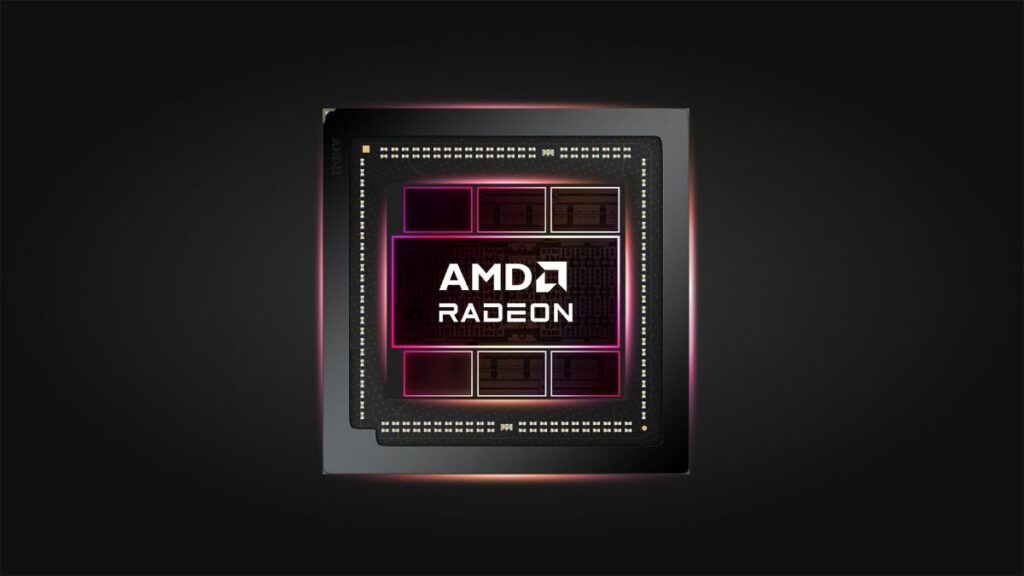
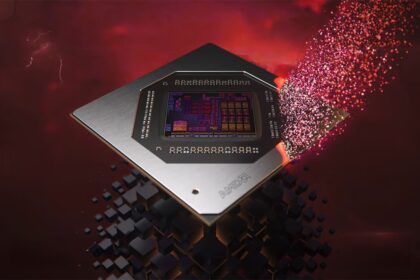
AMD could be preparing to take advantage of that opening. Leaks surrounding RDNA 5 point toward a move to a 3nm manufacturing process, GDDR7 memory and a more powerful architecture. One higher-end GPU is reportedly codenamed AT2 and could feature 70 Compute Units.
A leaker cited in reports claims RDNA 5 chips could target clock speeds between 3.1GHz and 3.4GHz. Early estimates reportedly put AT2 around 15% to 25% faster than the Radeon RX 9070 XT.
Those numbers are not official, but if they prove accurate, AT2 could occupy a performance class that might otherwise have been targeted by a hypothetical RTX 5080 Super.
That could make AMD’s upcoming flagship particularly interesting if Nvidia ultimately skips such a refresh.
AMD May Launch AT2 Before the Rest of RDNA 5
Perhaps the most unusual part of the current roadmap rumors is the suggested release schedule.
According to the reports, AT2 could launch in 2027 as the only RDNA 5 GPU released that year, with the rest of the family reportedly delayed until 2028.
That would give AMD a single high-end product capable of showcasing the new architecture while the company waits for broader market conditions to improve.
Memory pricing is one factor that could influence the timing. Increasing production from Chinese memory manufacturer CXMT could eventually improve DRAM and other memory supply, potentially putting downward pressure on prices by 2028.
AMD may therefore be using AT2 as an early preview of what its next generation can deliver rather than immediately releasing an entire RDNA 5 lineup.
A Bigger RDNA 5 GPU Could Arrive in 2028
The leaked roadmap reportedly extends beyond AT2.
Another chip, known as AT0, is expected to arrive later in 2028 and could target the extreme high-end segment, potentially competing with a future Nvidia flagship such as an RTX 6090.
Again, these specifications and launch plans have not been confirmed by AMD.
But the rumored strategy would give AMD an unusual two-stage approach: introduce a high-end RDNA 5 product in 2027, then expand the architecture across the lineup in 2028.
AMD Is Also Working on AI-Based Graphics Features
Hardware may not be the only area where AMD is trying to close the gap with Nvidia.
Reports also point to AMD developing a new neural rendering technology intended to compete with Nvidia’s AI-powered graphics technologies such as DLSS.
That could become increasingly important as AI reconstruction, frame generation and neural rendering become bigger parts of modern PC gaming.
AMD therefore has more than raw GPU performance to consider if it wants to challenge Nvidia at the high end. Software features, image quality, ray tracing and AI-assisted rendering could all play a role in how competitive its future GPUs become.
For now, AT2 remains an unconfirmed product based on leaks and industry reports. But if AMD really does launch a high-end RDNA 5 GPU in 2027 while Nvidia delays its next major desktop refresh, the timing could give Radeon an opportunity to make a much bigger push into the premium GPU market.