
Windows Media Player has outlived several attempts by Microsoft to move users toward newer media apps, but the classic player is gradually losing the features that made it a Windows favorite.
Microsoft has now confirmed that Windows Media Player Legacy will stop supporting skins after November 10, 2026. The change applies to PCs running Windows 11 version 24H2 and newer releases, including Windows 11 26H2.
The classic media player itself is not being removed. Instead, Microsoft is retiring one of its most recognizable customization features.
Windows Media Player Skins Are Coming to an End
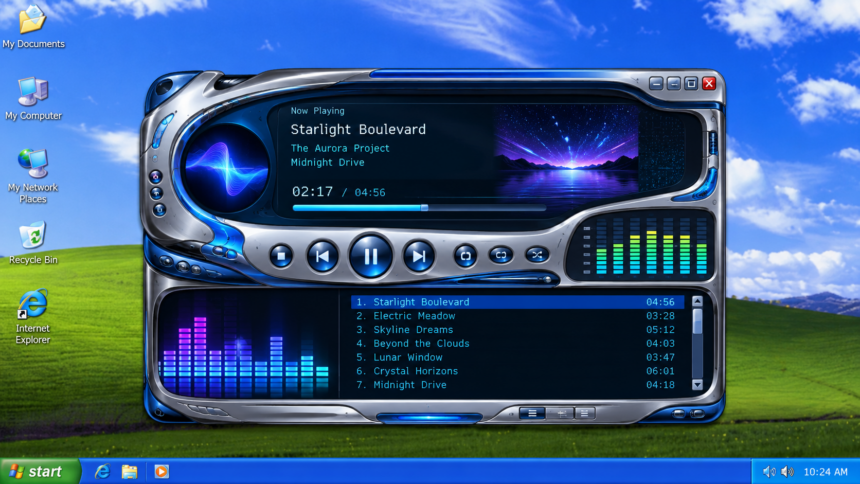
Skins allowed users to completely redesign Windows Media Player rather than simply changing a color or background. They could alter the arrangement of controls, buttons, artwork and other parts of the interface.
The feature became available with Windows Media Player 7.0, arriving at a time when customising Windows applications was becoming increasingly popular.
Microsoft even provided developers with documentation and tools to create custom skins using XML and Windows Media Player SDK components.
The feature was particularly relevant during the era when Winamp made downloadable skins a major part of the PC music experience. Microsoft even offered tools that helped bring some Winamp designs to Windows Media Player.
For longtime Windows users, the retirement therefore represents more than the removal of an obscure setting. It marks the disappearance of a feature closely associated with the customisation culture of early Windows PCs.
Microsoft Is Slowly Phasing Out the Classic Player
The skin change also follows a broader pattern.
Microsoft has recently experimented with removing certain subtitle and text-related capabilities from Windows Media Player Legacy in preview versions of Windows. Those changes also encouraged users to switch to the newer Media Player application.
Unlike those experiments, however, the end of skin support is now officially documented and comes with a firm deadline.
Microsoft introduced the modern Windows 11 Media Player in November 2021 as a replacement for Groove Music. The company initially kept Windows Media Player available alongside the newer application, but eventually began referring to the old software as Windows Media Player Legacy.
That name has increasingly reflected Microsoft’s direction for the two applications.
The New Media Player Still Has a Tough Act to Follow
Microsoft has a straightforward reason for moving away from software that has been maintained for decades. Supporting old APIs, extensions and customisation systems can add technical complexity and make it harder to modernise Windows.
The challenge is convincing longtime users that the replacement offers everything they actually need.
The modern Media Player fits Windows 11 much better visually and brings music and video libraries together under a more contemporary interface. It is also designed around Microsoft’s current approach to managing local media.
Windows Media Player Legacy, however, remains popular with some users for its speed, simplicity, and maturity. It launches quickly, consumes relatively few resources and has accumulated years of functionality.
That difference helps explain why the classic application has survived Microsoft’s attempts to move on from it for so long.
With skins now scheduled to disappear, another piece of the old Windows Media Player experience is finally reaching the end of its life. The player itself may remain available for now, but Microsoft is making it increasingly clear that its future belongs to the modern Media Player.