

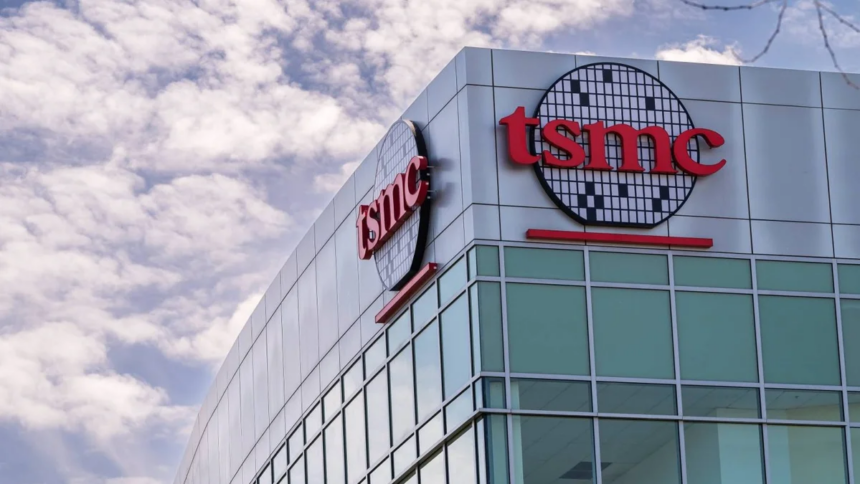
The cost of producing semiconductors is set to increase after Taiwan Semiconductor Manufacturing Co. (TSMC), the world’s largest contract chipmaker, reportedly decided to raise manufacturing prices beginning in January 2027.
According to a report by Nikkei Asia, the company will increase service prices by 5% to 10%, with the exact adjustment depending on the manufacturing process and individual customer agreements. Orders for high-performance computing (HPC) chips that exceed previously agreed production volumes could face an additional 10% to 15% surcharge, further increasing costs for some customers.
TSMC manufactures chips for many of the technology industry’s biggest names, including Apple, AMD, Nvidia and Qualcomm, making its pricing decisions significant for the broader semiconductor market.
Rising Costs Drive Price Increase
The reported price adjustments follow negotiations with customers that began in June 2026 and concluded in July. By implementing the new pricing from the start of 2027, TSMC is giving customers several months to revise production plans and supply chain budgets.
The company cited several factors behind the increase, including higher raw material costs, rising prices for advanced manufacturing equipment and the growing expense of building new fabrication facilities outside Taiwan.
Among the company’s largest investments are its expanding semiconductor manufacturing operations in the United States, which require substantial long-term capital spending.
Both Advanced and Mature Processes Affected
The price increase will apply to both TSMC’s most advanced manufacturing technologies and its mature production nodes.
Advanced process technologies, including 7-nanometer and smaller fabrication, account for approximately 77% of the company’s recent revenue and will be included in the adjustment. Older manufacturing nodes such as 12nm, 16nm and 28nm are also expected to see higher pricing.
These mature processes remain widely used for automotive chips, networking hardware, industrial electronics and a variety of consumer devices.
AI Demand Continues to Reshape the Industry
The semiconductor industry has experienced unprecedented demand in recent years, driven largely by the rapid expansion of artificial intelligence infrastructure. Companies developing AI processors have significantly increased orders for advanced manufacturing capacity, leaving limited production availability across the industry.
The growing demand for AI accelerators has intensified competition for TSMC’s leading-edge fabrication processes, driving up production costs and lengthening lead times for many customers.
Responding to inquiries from Nikkei Asia, TSMC declined to discuss specific pricing details but stated that its pricing strategy is intended to create long-term value for customers rather than capitalize on short-term market conditions.
The company emphasized that its pricing decisions reflect the significant investment required to maintain leadership in advanced semiconductor manufacturing.
Impact Across the Technology Industry
The reported increases could eventually affect a wide range of products, including smartphones, personal computers, graphics cards, data center processors and networking equipment, depending on how much of the higher manufacturing costs chip designers choose to absorb.
The announcement also comes as TSMC prepares to expand production of its next-generation 2-nanometer manufacturing process, which is expected to power future processors from major customers. Meanwhile, semiconductor research continues to advance beyond current manufacturing limits, with companies such as IBM exploring technologies capable of producing chips smaller than 1 nanometer.
If implemented as planned, TSMC’s new pricing structure will take effect in January 2027, marking another significant shift for an industry already facing increasing manufacturing costs and strong global demand for advanced semiconductor production.









, the world's largest)