
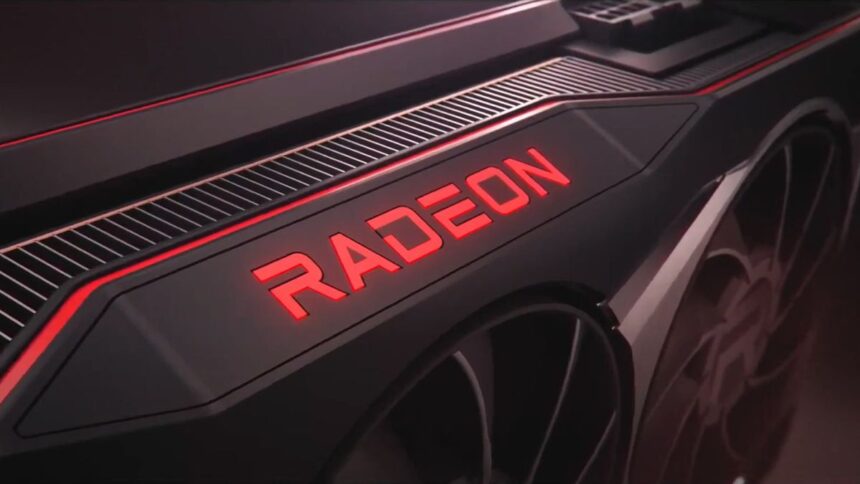
The Radeon RX 9000 series may still feel fresh on the market, but the spotlight is already shifting toward AMD’s next-generation graphics cards, rumored to be based on the RDNA 5 or UDNA architecture. A well-known leaker, Kepler, recently shared new speculation that has stirred interest across the tech community.
According to a post on the AnandTech forums, Kepler responded to a user inquiry by suggesting three potential GPU configurations for AMD’s upcoming lineup:
- 96 Compute Units (CUs) + 384-bit memory bus
- 64 CUs + 256-bit memory bus
- 32 CUs + 128-bit memory bus
While these are still educated guesses, Kepler has a solid track record with past hardware leaks, which lends some credibility to the claims.
A Potential 50% Core Count Jump
If the 96 CU configuration proves accurate, it would represent a 50% increase in compute units over the current flagship, the Radeon RX 9070 XT, which is based on RDNA 4. This could signal a serious performance boost-especially given that the 9070 XT already holds its own against Nvidia’s RTX 5080 in select workloads.
With a more powerful core configuration and a wider 384-bit memory interface, AMD’s next-generation GPU could offer a significant step up in performance. However, by the time RDNA 5 cards arrive, Nvidia’s RTX 6000 series will likely be available, potentially resetting the bar for high-end graphics performance. In that sense, comparing future AMD cards to current-gen Nvidia ones might not paint the full picture.
Will AMD Finally Launch a True Flagship?
One big unknown is whether AMD plans to release a true high-end GPU with RDNA 5. With the RX 9000 series, AMD notably skipped a top-tier model capable of directly challenging Nvidia’s most powerful offerings. Some rumors suggest that a so-called “RTX 5080 killer” might still be in the pipeline-but so far, nothing official has been confirmed.
If AMD follows the same strategy with RDNA 5, we could once again see a strong upper-mid-range lineup, but no ultimate flagship to go head-to-head with Nvidia’s best.