
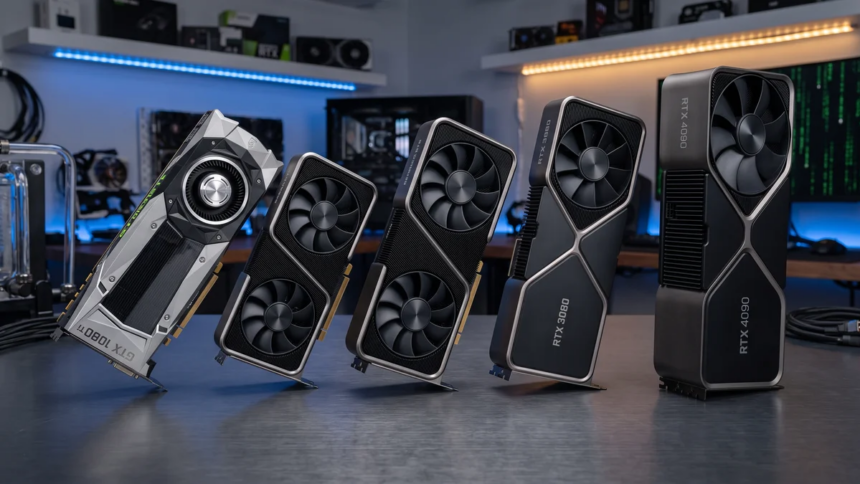
For years, PC gamers have debated whether NVIDIA has deliberately reduced the performance of older graphics cards through driver updates. Regardless of how accurate those claims are, one thing is certain: many older GPUs have struggled to keep up with modern games due to limited processing power and insufficient VRAM.
However, not every graphics card has aged poorly. Some NVIDIA GPUs still deliver respectable performance years after their release, thanks to strong hardware specifications, generous video memory, and support for technologies that help extend their useful lifespan.
Here are five NVIDIA graphics cards that have aged particularly well, including both older favourites and more recent high-end models.
5. GTX 1080 Ti
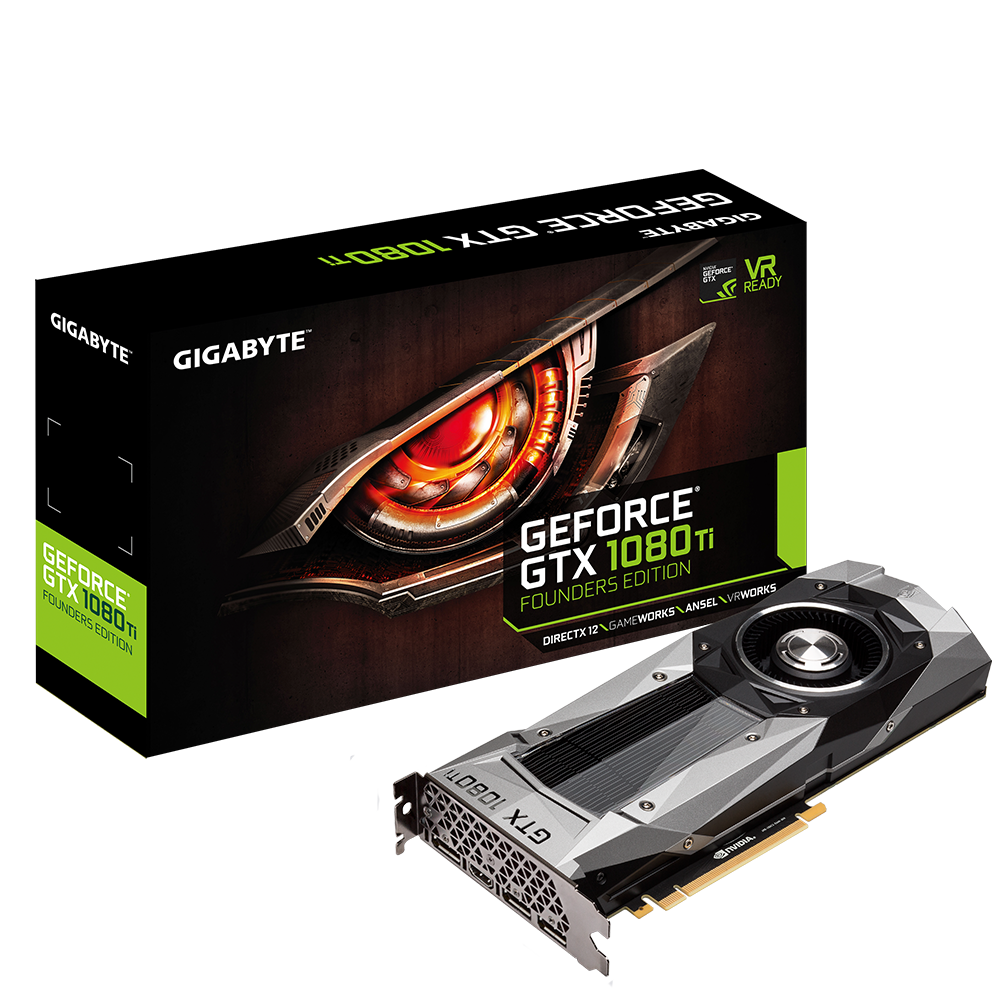
When NVIDIA released the GTX 1080 Ti in 2017, it was already a powerhouse. As the flagship gaming GPU of the Pascal generation, it delivered impressive performance for its time. Even years later, it remains surprisingly capable.
In terms of raw graphics performance, the GTX 1080 Ti is now closer to more modern entry-level cards, such as the 12GB RTX 3060. However, its biggest advantage is its 11GB of GDDR5X VRAM.
That generous memory capacity helps the GTX 1080 Ti handle modern games at 1080p and, in some cases, 1440p without running into the same texture-memory limitations that can affect newer 8GB graphics cards.
It does have some significant disadvantages. The GTX 1080 Ti lacks dedicated Ray Tracing cores and does not support native DLSS. Nevertheless, its combination of strong rasterisation performance and substantial VRAM has helped this Pascal-era GPU remain relevant far longer than many expected.
4. RTX 3050 (8GB)
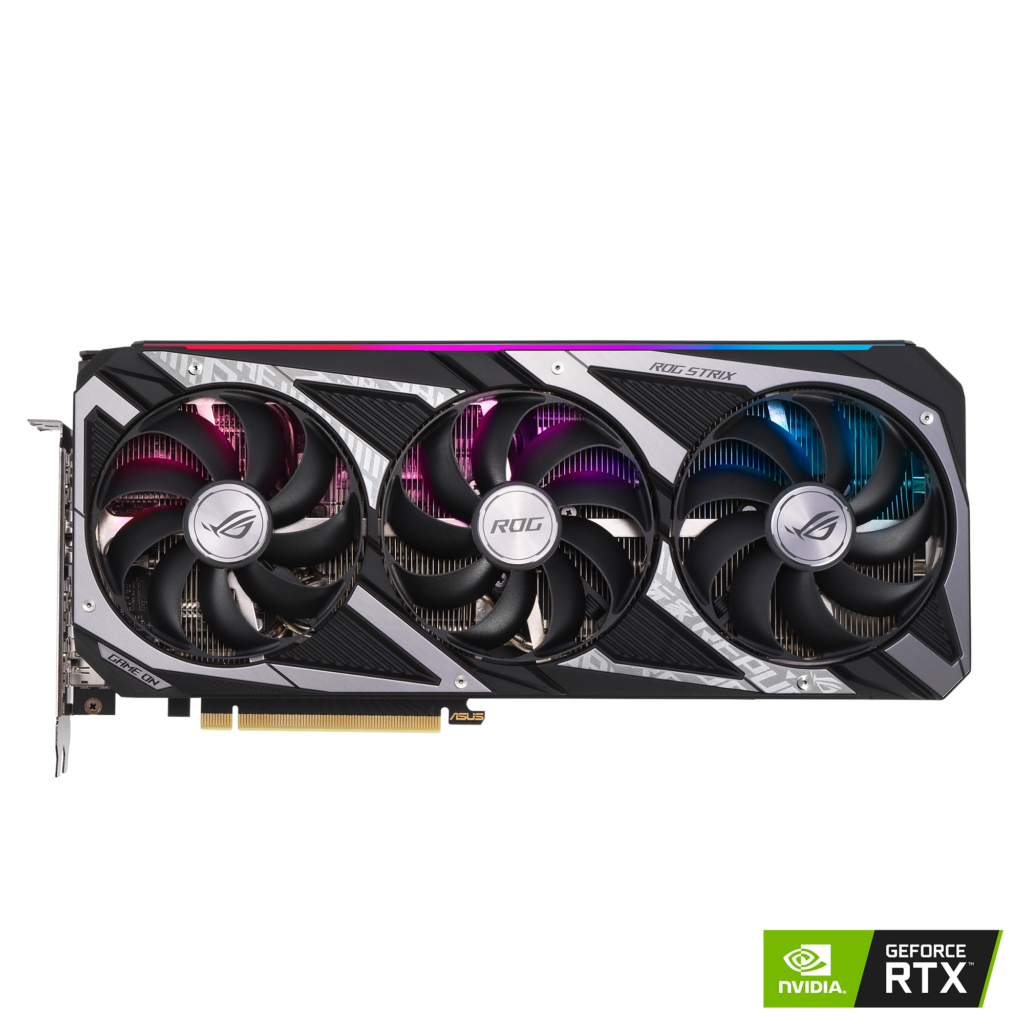
The RTX 3050 received a mixed reception when it launched, largely because it occupied the entry-level segment of its generation. However, the original 8GB version has proved more useful over time than its reputation might suggest.
Its 8GB of VRAM provides a reasonable memory buffer for 1080p gaming, allowing it to handle higher-resolution textures in many titles without immediately running into memory limitations.
The card also benefits from NVIDIA’s Tensor Cores and DLSS support, giving players access to upscaling technology that can improve performance in supported games.
It is important to distinguish the original 8GB model from the later 6GB version, which has reduced specifications. The 8GB variant strikes a more comfortable balance for modern gaming, making it a more appealing option for players seeking an affordable NVIDIA GPU.
3. RTX 3080 (12GB)
The original RTX 3080 launched with 10GB of VRAM, a capacity that attracted criticism for a high-end graphics card. NVIDIA later introduced a 12GB version with a wider 384-bit memory bus, addressing one of the original model’s most frequently discussed limitations.
The additional memory gives the RTX 3080 12GB more room to handle demanding textures and larger workloads. Combined with its powerful GPU, this makes it a capable option for gaming at 1440p with high frame rates.
It can also handle 4K gaming in less demanding titles, although performance will depend on the game and graphics settings.
The extra 2GB of VRAM does not transform the card into a completely different performance class, but it does provide additional headroom. For a high-end GPU from its generation, that extra memory helps the RTX 3080 remain competitive.
2. RTX 4090
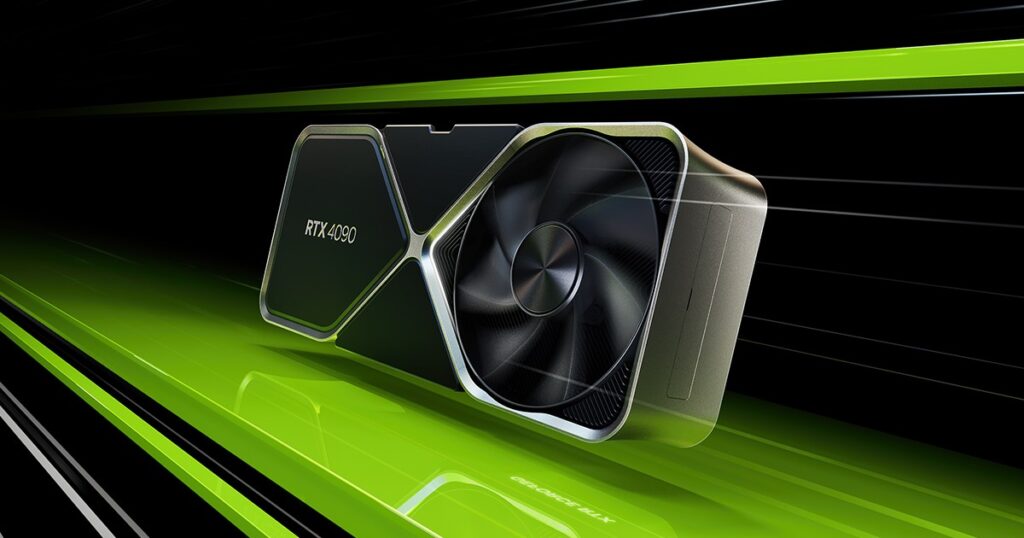
It might seem too early to discuss how the RTX 4090 has aged, considering that it belongs to NVIDIA’s RTX 40 series. However, its enormous performance advantage at launch has helped it maintain a position among the most powerful gaming graphics cards.
Built on the Ada Lovelace architecture, the RTX 4090 combines substantial processing power with 24GB of GDDR6X VRAM. This gives it plenty of room to handle demanding games, high-resolution textures, and intensive workloads.
The card also supports NVIDIA’s neural rendering technologies, including DLSS and Frame Generation. Newer DLSS developments, including DLSS 4 features where supported, further extend its capabilities in compatible games.
Its performance makes the RTX 4090 particularly well suited to 4K gaming. While future games will inevitably become more demanding, its combination of processing power and generous VRAM gives it a strong foundation for the years ahead.
1. RTX 3060 (12GB)
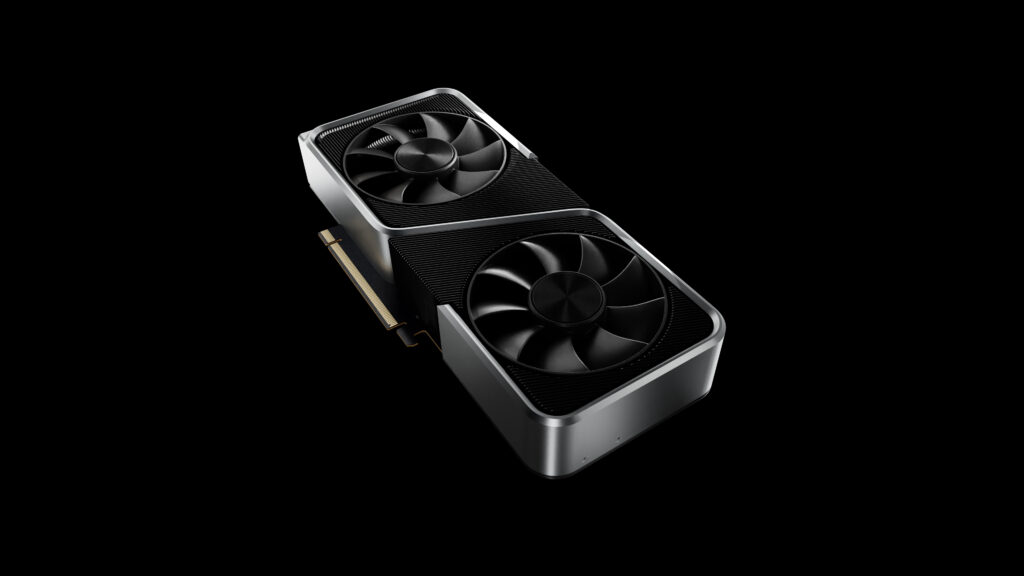
Taking the top spot is the 12GB RTX 3060, a graphics card whose memory configuration has helped it age remarkably well.
When NVIDIA introduced the RTX 3060, its decision to equip the card with 12GB of VRAM seemed unusual for a mainstream GPU. In retrospect, that additional memory has become one of its biggest advantages.
Although more powerful cards from the same generation, such as the RTX 3060 Ti and RTX 3070, can encounter VRAM limitations in some demanding modern games, the RTX 3060 12GB still has a respectable memory buffer.
Of course, having more VRAM does not automatically make it faster. The RTX 3060 has less raw processing power than those higher-tier models, and that difference remains important. However, its combination of a capable GPU, DLSS support, and 12GB of memory makes it a practical option for 1080p gaming.
Its longevity may also help explain renewed interest in the 12GB version of the RTX 3060. For players who prioritise memory capacity and affordability, it remains an interesting choice several years after its release.
VRAM Plays a Major Role in How Long a GPU Lasts
The graphics cards on this list come from different generations and performance categories, but they share one important advantage: their memory configurations have helped them remain useful as games have become more demanding.
VRAM is not the only factor that determines a graphics card’s lifespan. GPU processing power, architecture, driver support, and features such as DLSS also matter. However, insufficient video memory can create a serious bottleneck, even when a GPU still has enough processing power to run a game.
The GTX 1080 Ti, RTX 3080 12GB, and RTX 3060 12GB demonstrate why memory capacity can make such a difference over time. A graphics card with sufficient VRAM is more likely to handle modern textures and larger game assets without hitting memory limits.
Ultimately, VRAM is one of the key factors that can determine how well a graphics card ages. The five NVIDIA GPUs featured here show that the right balance of memory, processing power, and features can keep a graphics card relevant long after its launch.