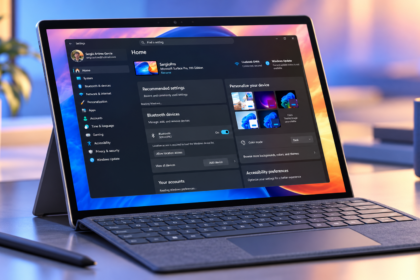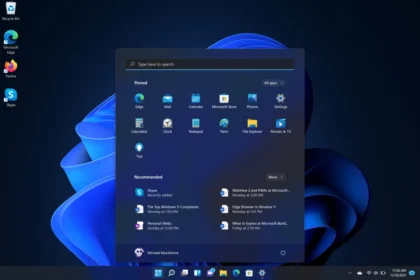

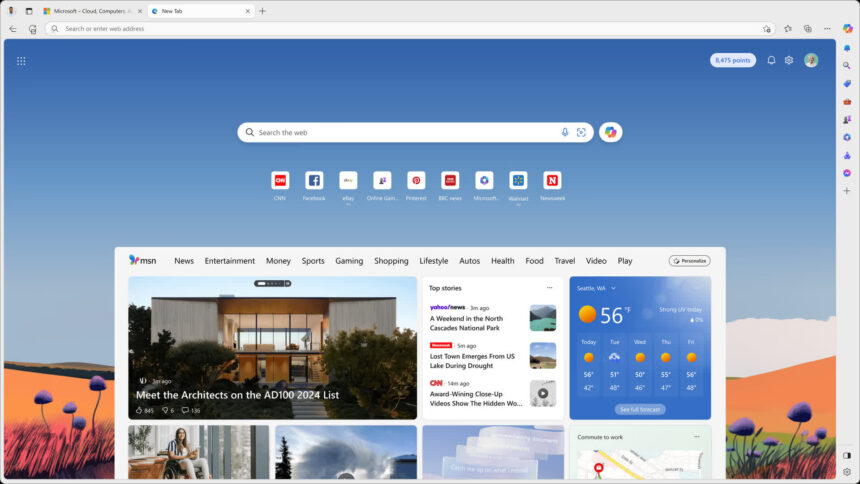
Microsoft has spent recent weeks promoting a renewed vision for Windows 11—one centred on improved performance, fewer distractions, and greater user control. However, a new test involving Microsoft Edge is raising fresh concerns about the company’s approach to user experience.
The feature, currently being tested, automatically launches Edge when users sign in to Windows 11. While users can decline via a “No thanks” prompt, the default behaviour is enabled, making it an opt-out system rather than an opt-in one.
This approach has drawn criticism for echoing past concerns about Microsoft promoting its own services within its ecosystem. Critics argue that such decisions undermine the company’s stated goal of creating a cleaner, more user-focused operating system.
Rather than enhancing usability, the feature is seen by some as another attempt to steer users toward Microsoft’s own browser, regardless of their existing preferences.
Internal Strategy Appears Divided
The situation highlights a broader challenge within Microsoft. While leadership figures like Pavan Davuluri (Windows) and Asha Sharma (Xbox) are working to rebuild trust and modernise the company’s platforms, not all divisions appear aligned with that direction.
Teams responsible for products like Edge and Microsoft Outlook are often driven by growth metrics, particularly user acquisition and engagement figures. This can lead to decisions that prioritise short-term gains over long-term user satisfaction.
The result is a fragmented experience, where improvements in core system performance are offset by decisions that users may perceive as intrusive.
Impact on User Perception
Windows 11 has made steady progress in refining its performance and design, addressing earlier criticisms around resource usage and interface complexity. However, features like automatic app launches risk overshadowing those improvements.
For many users, the issue is not the presence of Microsoft’s apps, but how they are presented. Default-enabled features that require users to opt out can create friction, particularly for those who prefer alternative tools.
The timing of this controversy comes as competition in the PC ecosystem intensifies. Apple continues to expand its hardware and software integration, while new platforms and operating systems are emerging with a focus on simplicity and user-first design.
In this context, consistency across Microsoft’s ecosystem becomes increasingly important. A unified strategy that aligns all product teams with the same user-focused goals could be critical to maintaining competitiveness.